8 hr
Mary River Wetlands Wildlife Cruise with Lunch
- Expert local guide
- Small group
- Skip-the-line access
- Free cancellation
Mary River Wetlands Cruise from Darwin — Wildlife & Crocodile Encounters
Saltwater crocodiles at dawn, birdlife across tidal flats
Compare fares, pick the fit — all bookings are mobile-voucher and eligible for free cancellation where shown.
8 hr
11 hr
1 hr
Choosing a mary river wetlands cruise from darwin allows visitors to experience the region's diverse wildlife, including saltwater crocodiles and numerous bird species, in their natural habitat. Travelers can select from a variety of Mary River Wetlands cruise from Darwin tours depending on their preferred time of day and schedule.
| Standard Cruise Combined Cruise Package | 1.5–2 Hours 4 Hours (Total) | |
|---|---|---|
| Duration | 1.5–2 hours | 4 hours |
| Wildlife focus | Specific time-of-day viewing | Combined sunrise and sunset experience |
| Best arrival window | 07:00–10:00 | 07:00–10:00 |
| Access method | Boat | Boat |
| What is included | Professional guide and commentary | Professional guide and commentary |
| Best for | First-timers and casual travelers | Dedicated wildlife and photography enthusiasts |
Verdict: For most first-time visitors, the standard mary river wetlands cruise from darwin tickets offer the ideal balance of wildlife observation and scheduling flexibility.
Worth it for wildlife enthusiasts and photographers
A mary river wetlands cruise from darwin delivers exceptional value for visitors seeking close encounters with saltwater crocodiles, jabirus, and waterbirds in their natural habitat. The wetlands sit roughly 90 minutes from Darwin along Arnhem Highway, making the drive a necessary investment to access one of the Territory's most biodiverse ecosystems. Professional guides navigate narrow waterways inaccessible by foot, positioning vessels within meters of basking crocodiles and nesting sites. The morning departure window maximizes wildlife activity when temperatures remain cooler and birds actively feed. Tours typically include lunch and span four to six hours, providing sustained observation time rather than rushed drive-by viewing. The experience suits patient observers willing to trade urban convenience for genuine Top End wilderness access. Wetlands cruises offer superior crocodile viewing compared to jumping crocodile tours, which prioritize spectacle over natural behavior. Free wetlands entry exists, but boat access unlocks hidden channels where wildlife concentration peaks during the dry season.
Bottom line: The mary river wetlands cruise from darwin tickets justify their cost for anyone prioritizing authentic wildlife encounters over convenience, though the drive commitment filters out casual tourists.
They complement each other; most visitors who do both call the Mary River Wetlands the more serene, biodiverse experience compared to the high-intensity action of the Adelaide River.
|
Top pick Mary River Wetlands |
Adelaide River Cruise | |
|---|---|---|
| Primary Focus | Ecosystem exploration | Crocodile interaction |
| Typical Wildlife Encountered | Birds and crocodiles | Saltwater crocodiles |
| Scenery Type | Expansive floodplains | River channel banks |
| Vessel Style | Small flat-bottom boat | Viewing platform boat |
| Activity Intensity | Low intensity | High intensity |
| See tickets & prices |
Verdict: Choose a mary river wetlands cruise from darwin tour if you prioritize a holistic nature experience over the specific adrenaline of jumping crocodile mary river wetlands cruise from darwin tickets.
Hand-picked experiences loved by thousands of travelers
5 hours
Free Cancellation
Watch wild saltwater crocodiles launch from the water and explore pristine wetland habitats teeming with birdlife
12 hours
Free Cancellation
Explore Australia's biggest national park with ancient rock art, wildlife spotting, and wetland wonders
4 hours
Free Cancellation
Watch wild saltwater crocs leap from the water, explore wetlands, and enjoy lunch at a legendary outback pub
3 days
Free Cancellation
Discover ancient rock art, wild waterfalls, and crocodile wetlands on an unforgettable outback camping safari
10.5 hours
Free Cancellation
Discover cascading waterfalls, ancient termite mounds, and natural swimming holes on this full-day escape from Darwin.
14 hours
Free Cancellation
Journey through ancient sandstone gorges, swim at pristine waterfalls, and cruise past sunbathing crocodiles
10 hours
Free Cancellation
Discover waterfalls, swimming holes, and termite mounds on this small-group tour from Darwin
3 hours
Free Cancellation
Fly over ancient wetlands, thundering waterfalls, and remote wilderness on this unforgettable Top End adventure
Home to the world's largest concentration of saltwater crocodiles, this billabong is a hub for wildlife sightings.
Internationally recognized for its diverse birdlife, this site offers boardwalks through monsoon forests.
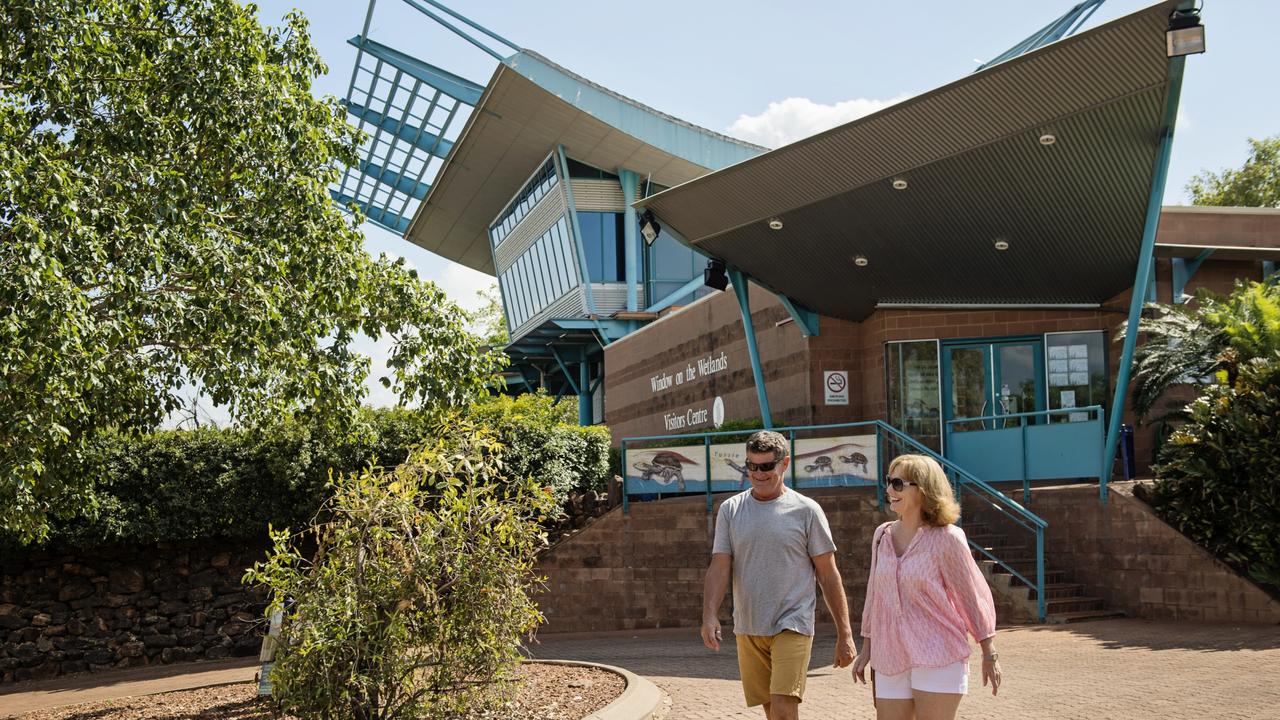
This visitor centre features interactive displays and panoramic views of the floodplains.
A popular spot for wildlife watching and scenic views of the river barrage, noted for its high crocodile density.
Renowned for spectacular sunset views over the wetlands, providing a perfect backdrop for photography.
You depart Darwin before sunrise, reaching the Arnhem Highway turnoff as first light spreads across paperbark stands. The vessel idles from the jetty into tidal channels still shadowed by overhanging melaleuca branches.
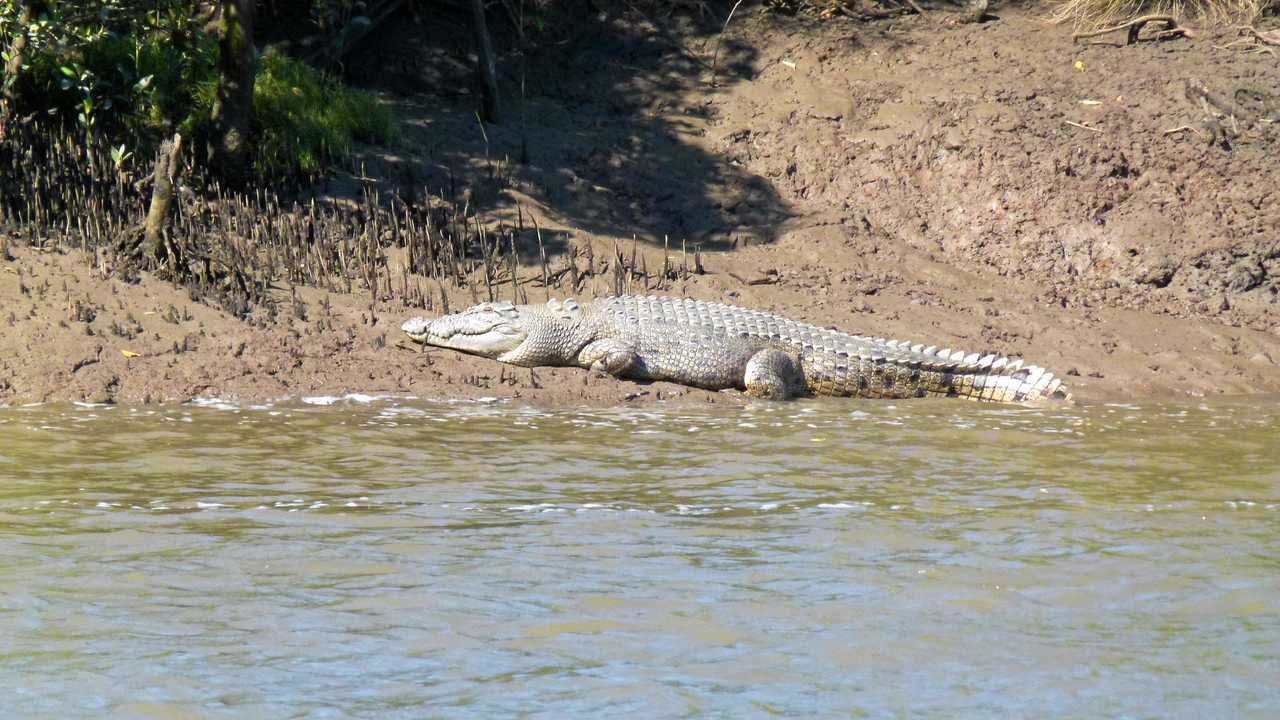
Within fifteen minutes you spot your first saltwater crocodile — a four-metre female motionless on a mud bank, eyes tracking the boat's wake.
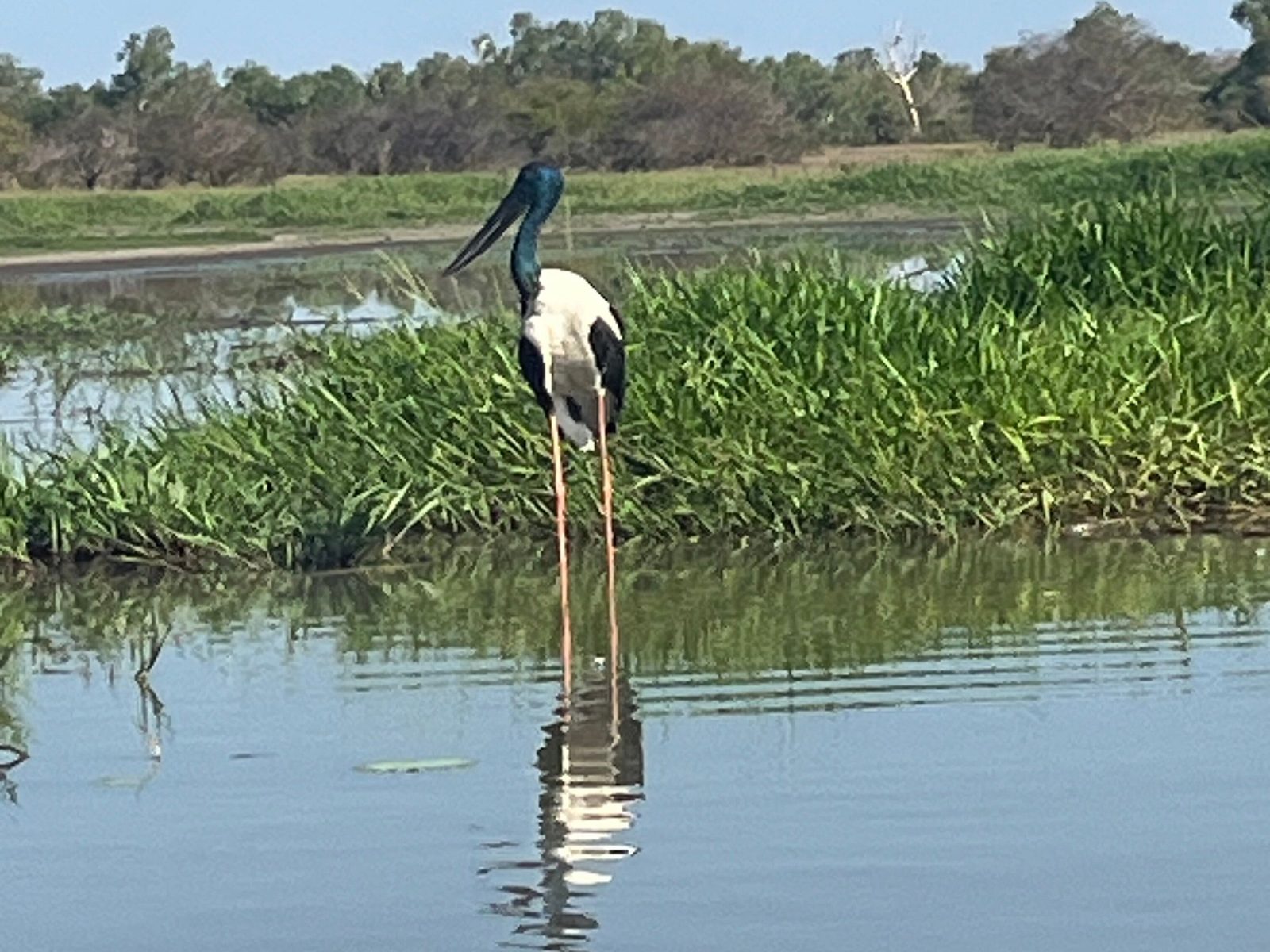
Your guide cuts the engine near a submerged log where a younger crocodile floats with only nostrils exposed. Binoculars reveal the ridged scales along its spine, each plate a different shade of grey-brown. The vessel continues into broader water where magpie geese wheel overhead in formations of sixty or more birds. A jabiru stork wades through shallows, its black neck contrasting against white plumage.
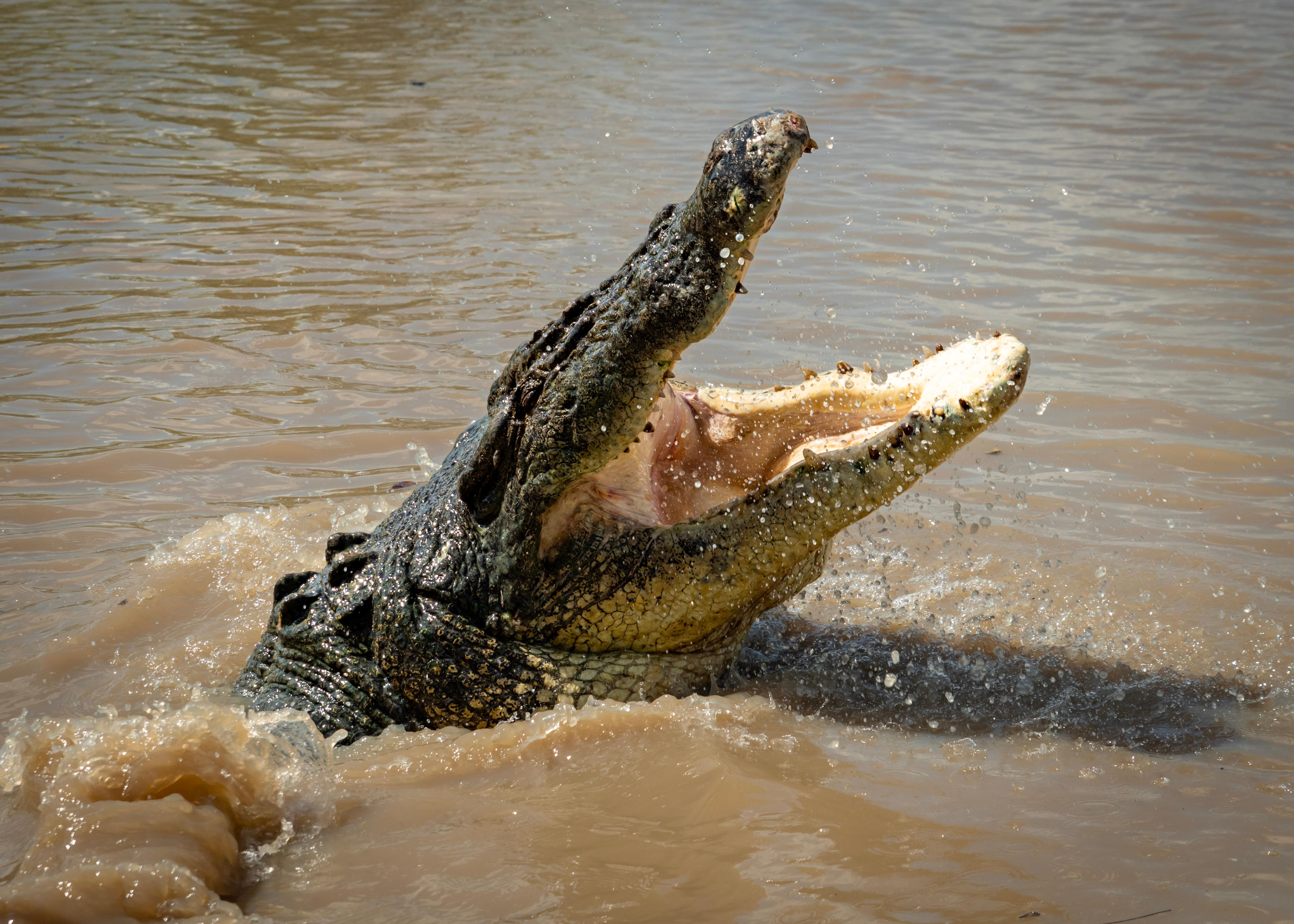
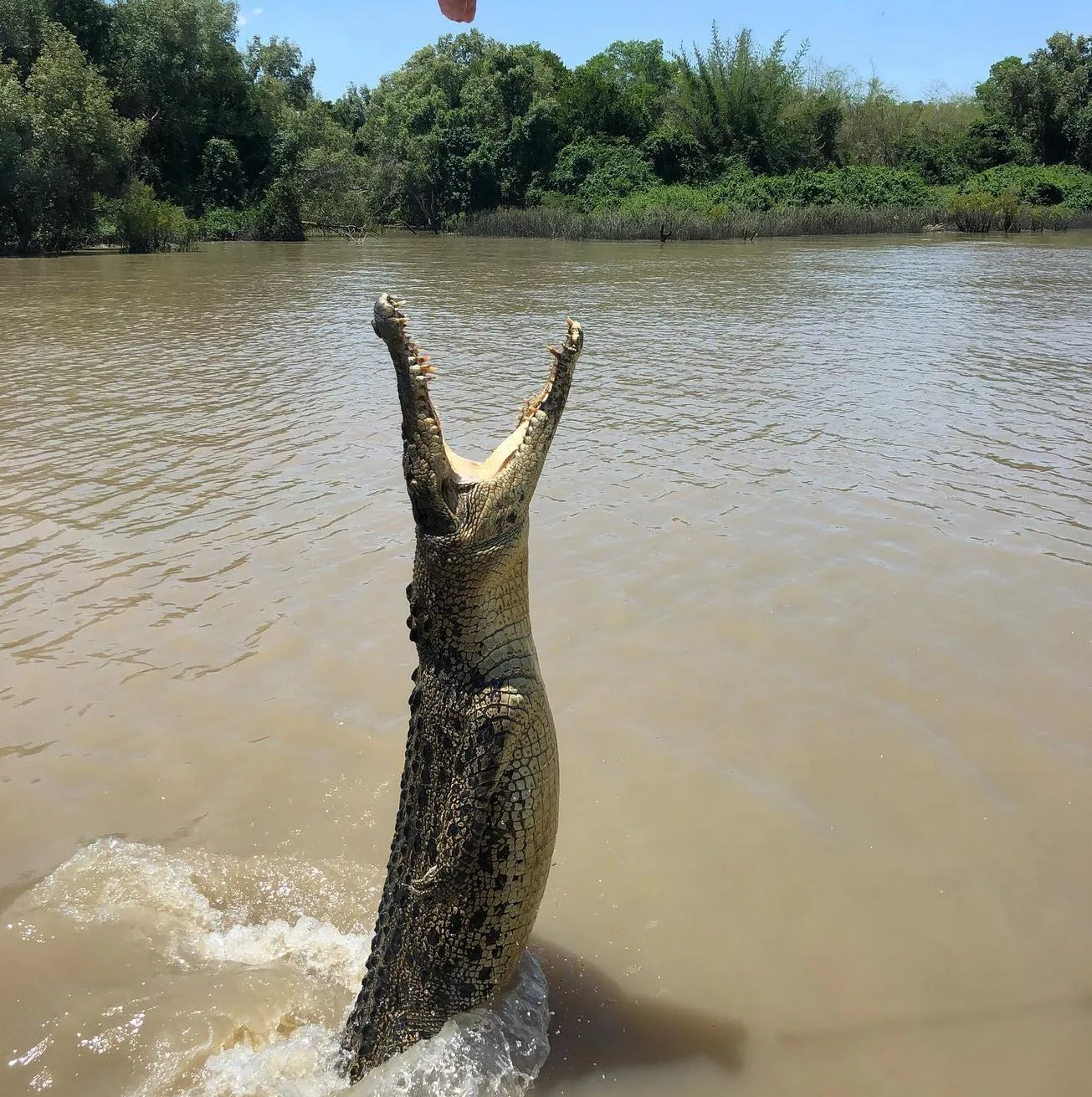
Mid-morning brings the jumping crocodile demonstration — meat suspended above the water draws vertical lunges, reptiles propelling two-thirds of their body length clear of the surface. You photograph the moment a five-metre male breaches, jaws snapping shut on the bait. The guide explains bite-force mechanics and territorial behaviour as the boat drifts past lily pads where jacanas step across floating vegetation. You return to shore by late morning, the wetland's scale and predator density resetting your understanding of Australia's tropical north.
All the details about your upcoming adventure in one place
The Mary River system holds one of the highest concentrations of saltwater crocodiles on Earth — an estimated 1,600 individuals per square kilometre in peak wet-season months.
Surveys conducted across the floodplain between 2020 and 2025 recorded specimens exceeding six metres, a length threshold reached by fewer than three percent of living crocodiles. The wetlands span 8,000 square kilometres of paperbark swamps, billabongs, and tidal channels that flood annually between November and April, transforming low woodland into an inland delta. Aboriginal custodianship extends back 65,000 years, with middens and rock art documenting continuous occupation along the river's upper reaches.
Today the Mary River remains one of the few unregulated tropical river systems in Australia. No dam infrastructure interrupts its flow, allowing seasonal pulses to sustain magpie geese populations exceeding 2.5 million birds during peak congregation. Wetland cruises operate year-round, though crocodile sightings peak between May and October when receding water concentrates prey and predators along permanent channels. Vessels depart from jetties along the Arnhem Highway, accessing tidal sections where saltwater crocodiles demonstrate vertical breaching — a behaviour studied by herpetologists since the 1970s and now central to jumping crocodile cruise experiences.
The wetlands support 236 recorded bird species, including brolgas, jabiru storks, and white-bellied sea eagles. Paperbark forests fringe the river, their layered bark harvested historically by Bininj people for watercraft construction and shelter. Water levels drop by three metres between wet and dry seasons, exposing mudflats colonised by comb-crested jacanas and pied herons. Tour operators navigate shallow draft vessels through lily-covered billabongs, pausing at sites where crocodiles regulate body temperature on exposed banks. Interpretation focuses on predator behaviour, wetland hydrology, and the ecological role of apex reptiles in nutrient cycling.
Mary River wetlands cruise from Darwin itineraries typically combine river exploration with terrestrial stops at Fogg Dam Conservation Reserve or Window on the Wetlands visitor centre, both offering elevated platforms above floodplain canopy. Cruise durations range from two-hour express departures to full-day combinations linking Litchfield waterfalls and Adelaide River tributaries. Seasonal variation dictates wildlife visibility: dry-season months compress fauna around shrinking water sources, while wet-season dispersion reduces encounter density but showcases the floodplain's hydrological scale.
The Mary River holds one of the highest concentrations of saltwater crocodiles on Earth — 1,600 individuals per square kilometre in peak months.
Wear light, breathable clothing suitable for tropical heat. Enclosed footwear is recommended for unsealed paths and boarding areas.
Only small day packs are permitted due to limited space on board. Secure your belongings as no storage facilities exist at the site.
The Mary River Wetlands cruise from Darwin is ideal for photography. Use telephoto lenses to capture wildlife from the boat.
Families are welcome, but children must remain seated during the journey for safety. The experience is educational for all ages.
While vessels are open-air, guests with mobility needs must contact their chosen operator in advance to discuss boarding at the billabong ramp.
Bring a refillable water bottle to stay hydrated in the heat. Some tours include lunch, but you should confirm this during booking.
Opening Hours
00:00–23:59
Address
Arnhem Highway, Mary River Wetlands, Northern Territory, Australia
Accessibility
Contact operator for specific vessel requirements
Best Arrival
07:00–10:00
Storage
No lockers available at jetty
Navigation
Download maps offline before departure
Full refunds are typically available if you cancel up to 24 hours in advance. Entry to the wetlands is 0 AUD.
Recommended time
Half a day
A mary river wetlands cruise from darwin requires a half-day commitment to account for the drive from the city and your time on the water. We recommend arriving during the 07:00–10:00 window to observe peak wildlife activity before the midday sun. Securing your mary river wetlands cruise from darwin tours in advance helps avoid queues, as afternoon boat departures often see higher passenger density. When booking your mary river wetlands cruise from darwin tickets, allow for extra travel time along the Arnhem Highway to ensure a relaxed experience.
Crowd levels through the day
The Mary River system has sustained Aboriginal communities for more than 50,000 years, with the Limilngan and Waray peoples managing the floodplains through seasonal burning and harvesting cycles. European exploration began in 1864 when surveyor George Goyder mapped the river mouth during his Northern Territory coastal survey. By the 1880s, buffalo hunters established camps along the wetlands to harvest hides for export to Asian markets, introducing the feral populations that would shape the ecosystem for a century. The first commercial operations offering mary river wetlands cruise from darwin emerged in the early 1970s, when Darwin's post-Cyclone Tracy reconstruction brought new tourism infrastructure and road access via the sealed Arnhem Highway completed in 1976. In 1986, conservationists blocked a proposed dam at the Kapalga site that would have flooded 2,200 square kilometres of floodplain, a campaign that redefined wetland protection in northern Australia. The area gained international recognition in 1989 when it was designated a Ramsar Wetland of International Importance, covering 520,000 hectares of floodplain and billabong habitat. Commercial crocodile tours expanded through the 1990s as operators invested in pontoon vessels purpose-built for wildlife observation, replacing the aluminium dinghies of earlier decades. The 2007 establishment of Mary River National Park consolidated land tenure and imposed environmental guidelines that standardized vessel permits and reduced engine noise to protect nesting sites. Today, mary river wetlands cruise from darwin tours operate year-round, though the seasonal transformation between wet-season inundation and dry-season concentration dictates wildlife visibility. The wetlands now support the highest density of saltwater crocodiles recorded anywhere on earth, with population surveys conducted by Charles Darwin University documenting over 1,600 individuals along monitored transects. Aboriginal traditional owners have partnered with several cruise operators since 2015, providing cultural interpretation and joint management of access routes to sacred sites along Shady Camp and the South Alligator tributary junction.
Limilngan and Waray peoples establish seasonal floodplain management and harvest cycles across the Mary River basin.
Surveyor George Goyder maps the Mary River mouth during the Northern Territory coastal survey expedition.
Buffalo hunters harvest hides for export, establishing permanent camps and introducing feral populations to the wetlands.
Completion of the sealed Arnhem Highway opens reliable road access from Darwin to the Mary River floodplains.
Conservationists successfully block the proposed Kapalga Dam, preventing the flooding of 2,200 square kilometres of habitat.
Mary River wetlands designated a Ramsar Wetland of International Importance, covering 520,000 hectares.
Mary River National Park established, introducing vessel permits and environmental guidelines for commercial tour operators.
Traditional owners partner with cruise operators to provide cultural interpretation and co-manage access to sacred sites.
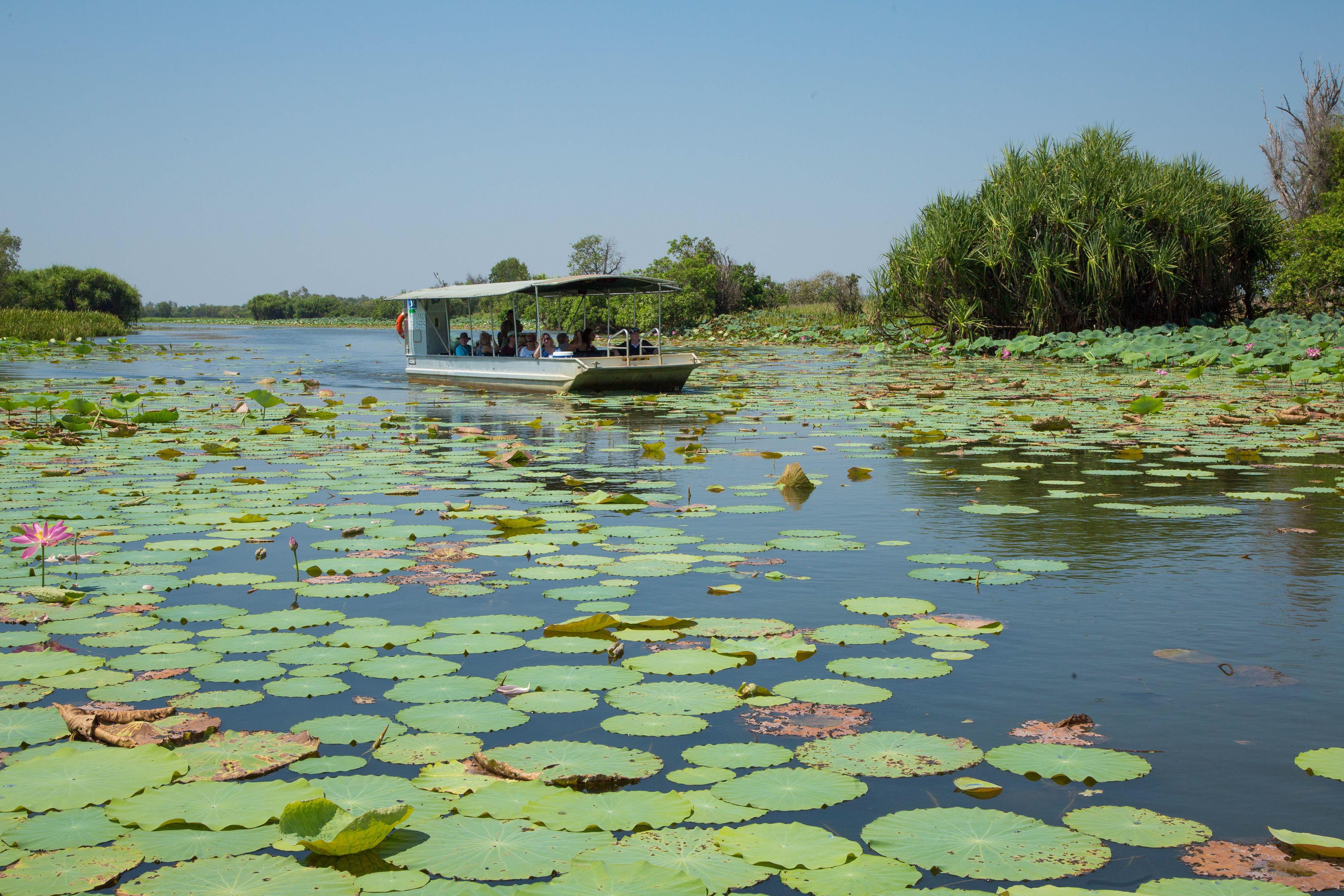
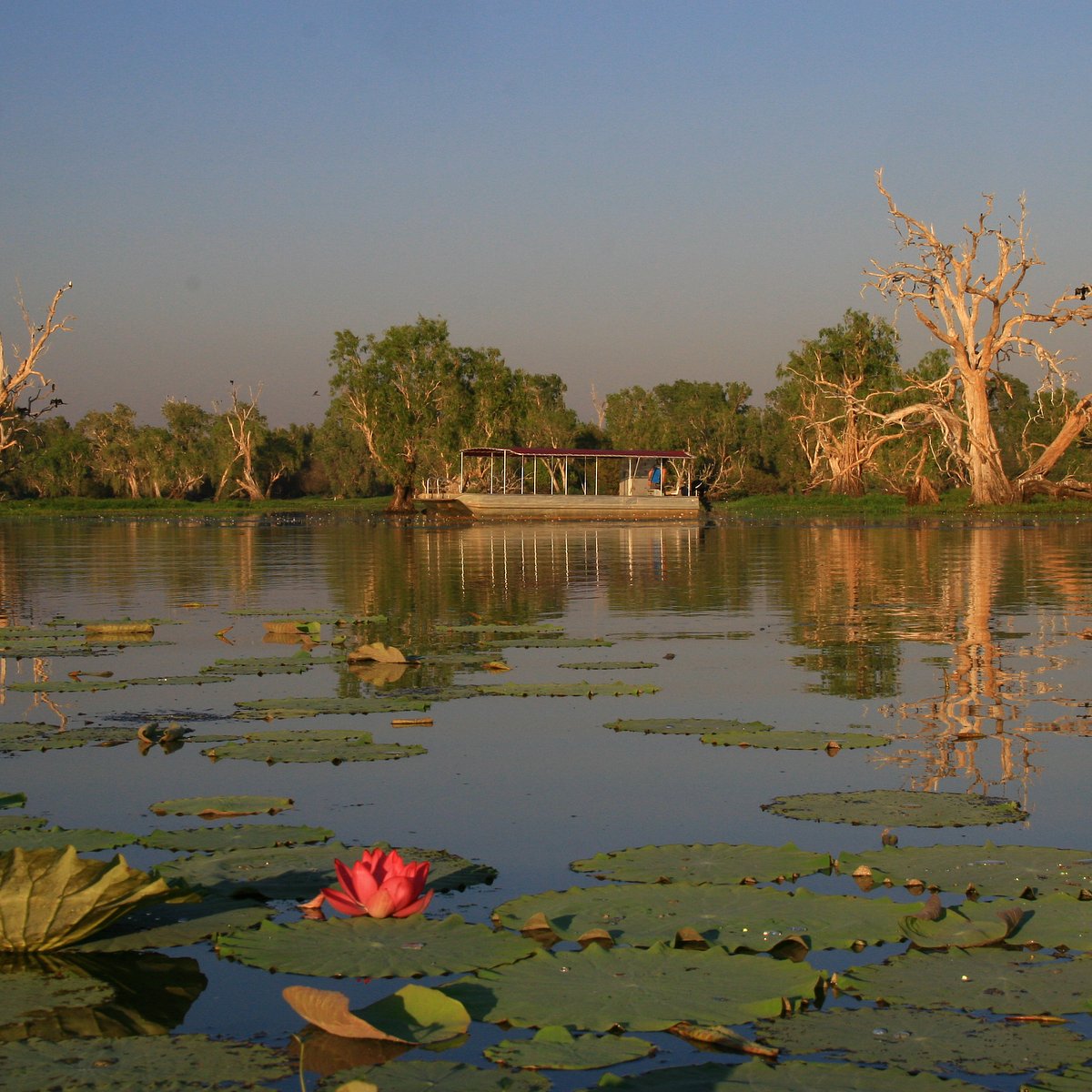
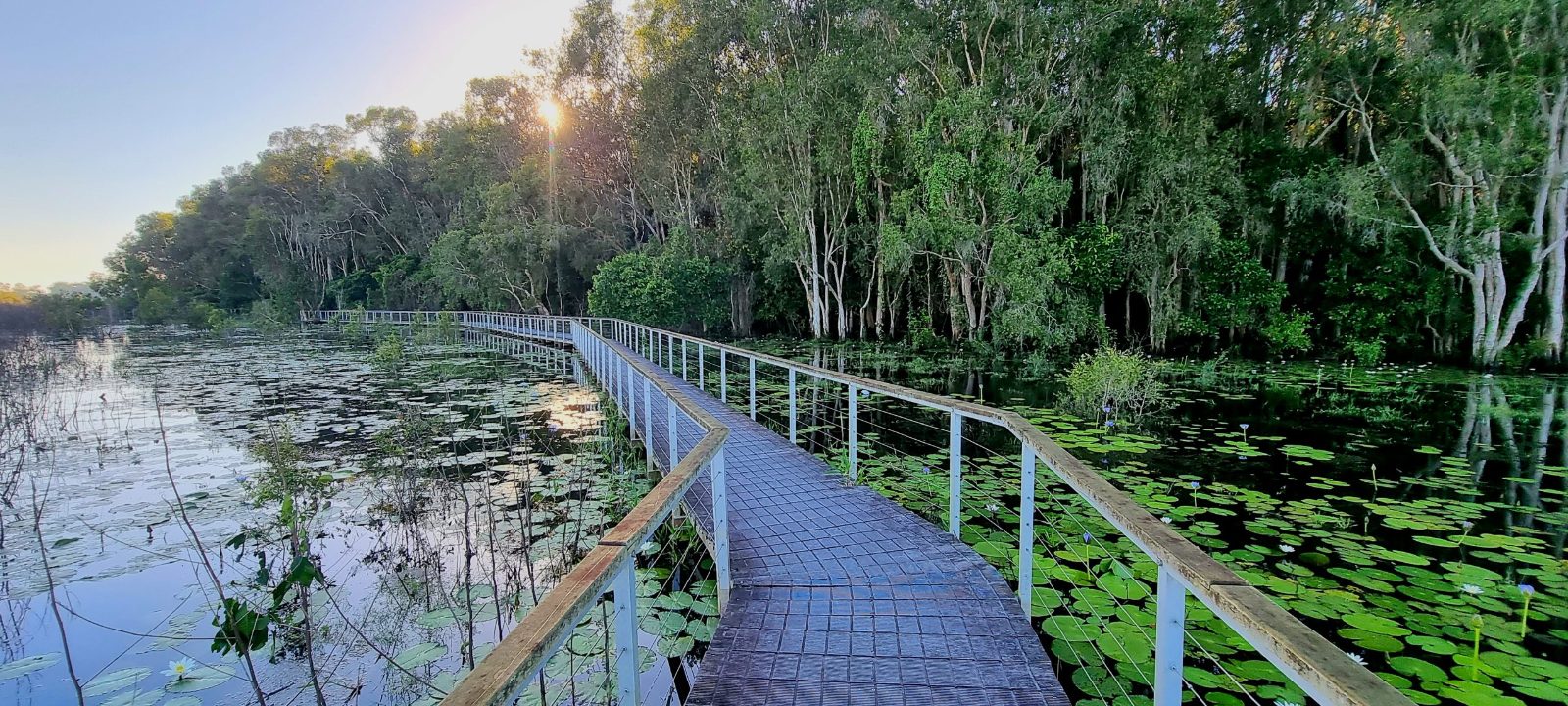
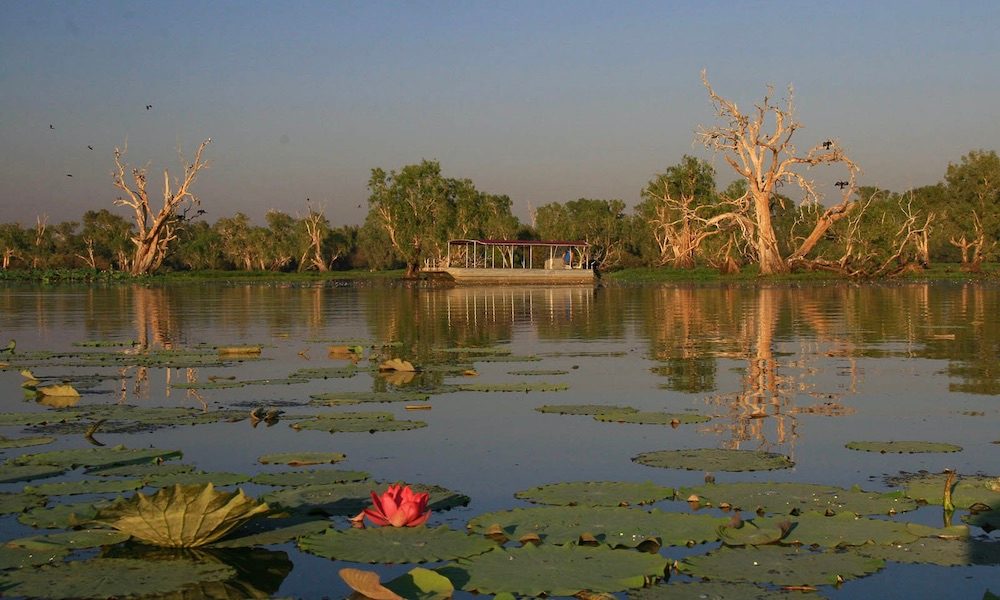
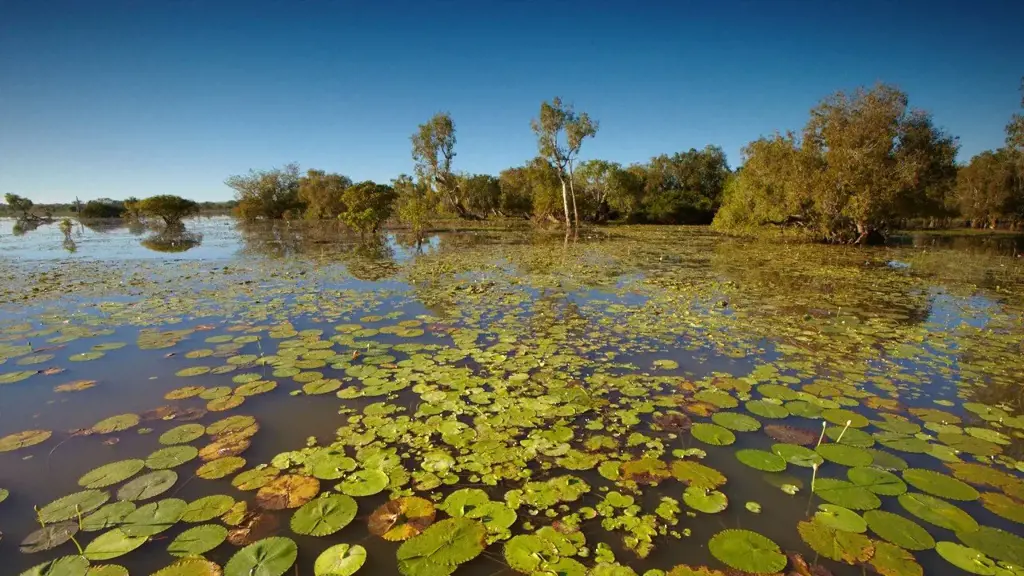
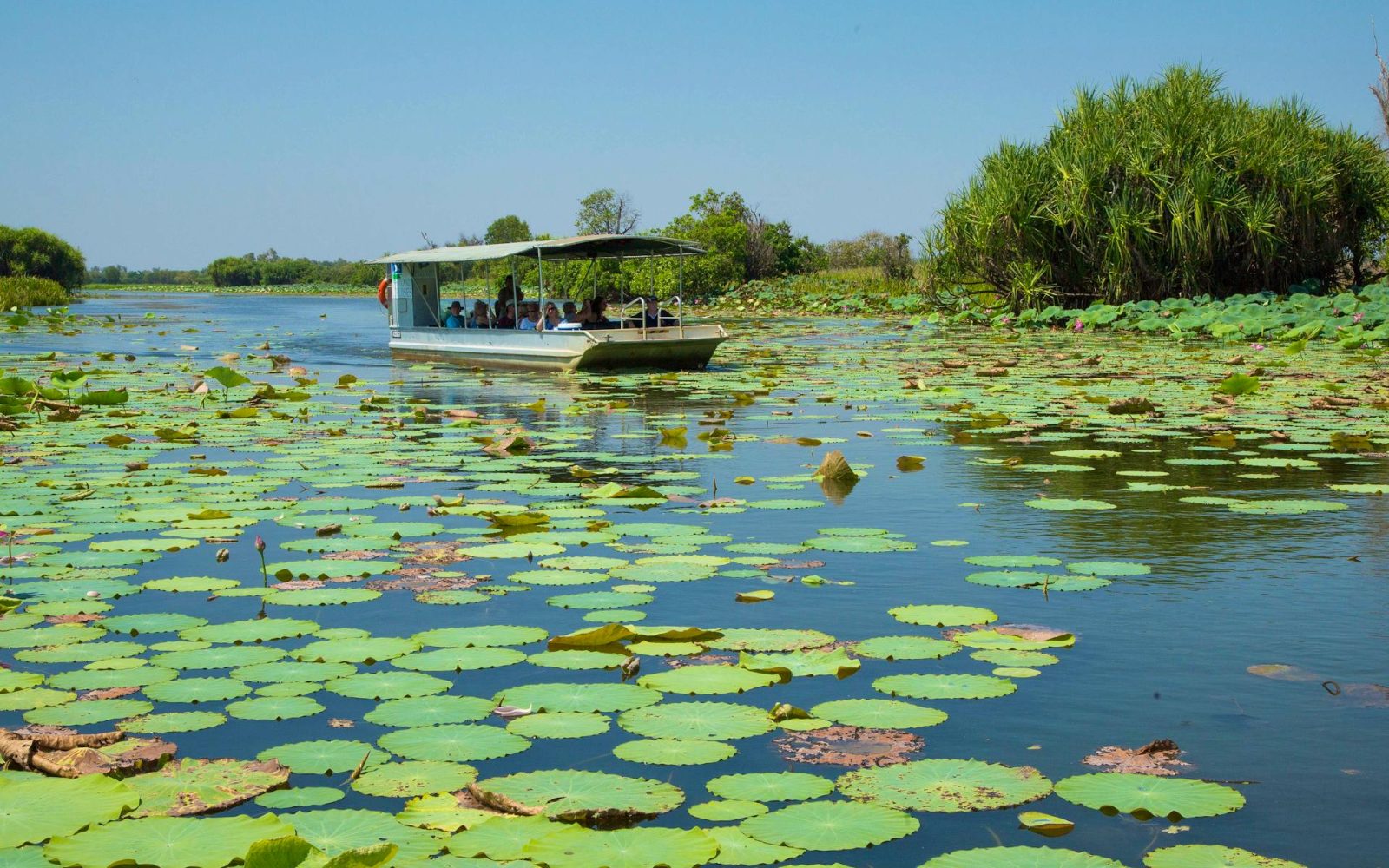
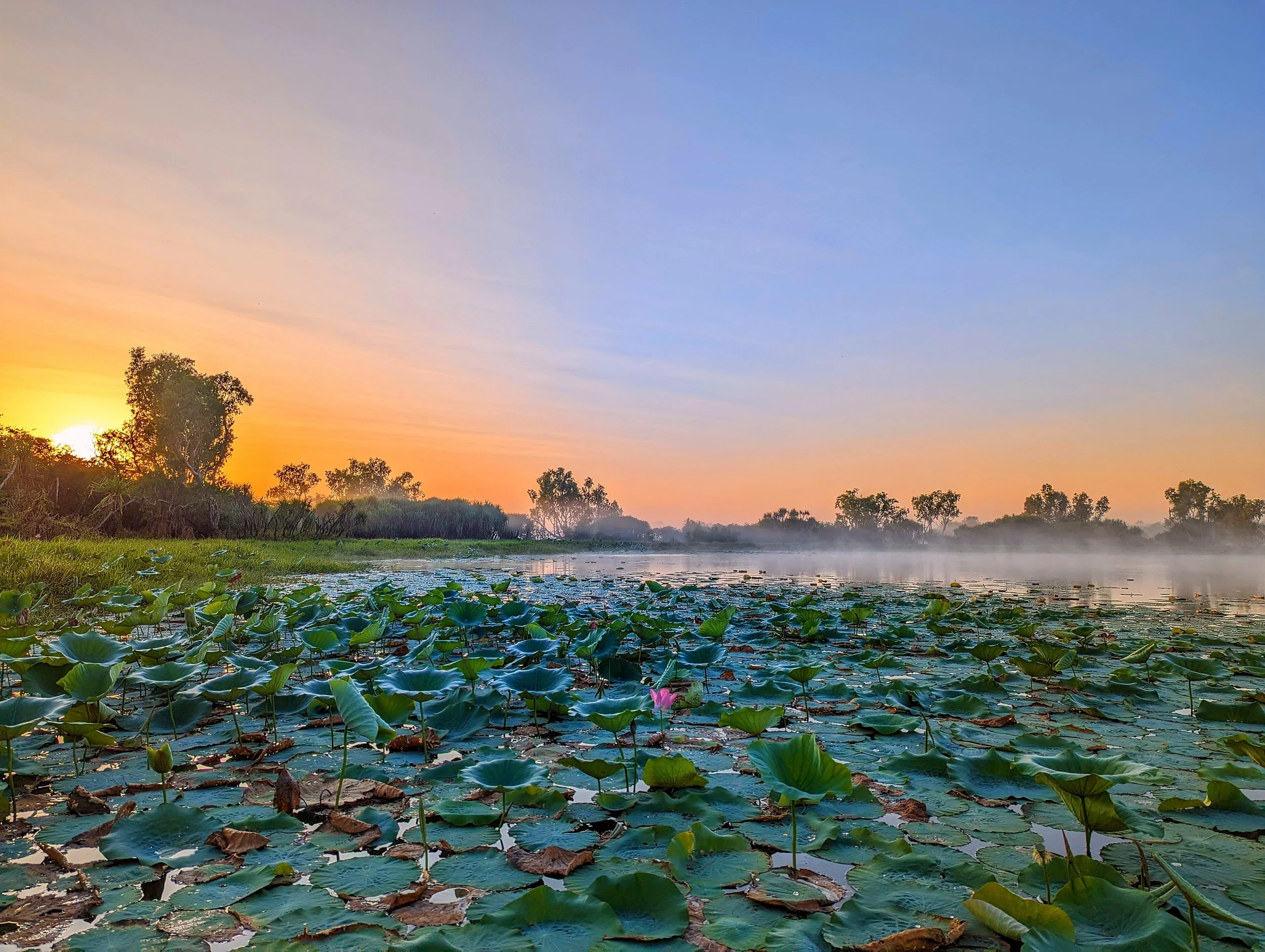
Stand near the bow of the boat to capture the vast expanse of vibrant water lilies framing the dark water reflections. This angle provides a classic composition for a mary river wetlands cruise from darwin when the light is soft.
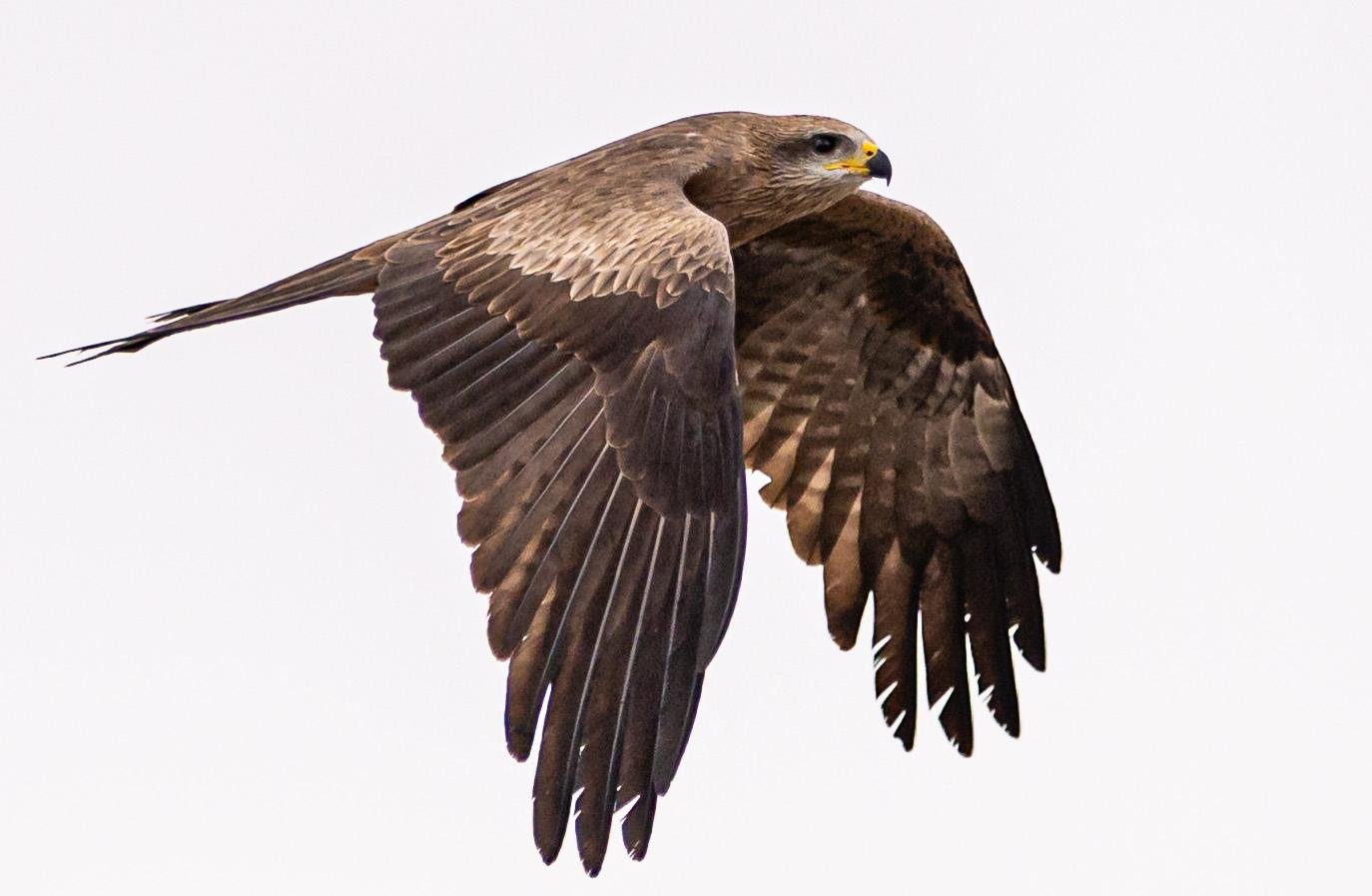
Position yourself to capture the dense foliage along the riverbank where egrets and kingfishers frequently congregate. Use a telephoto lens to isolate wildlife against the deep greens of the vegetation seen on these mary river wetlands cruise from darwin tours.
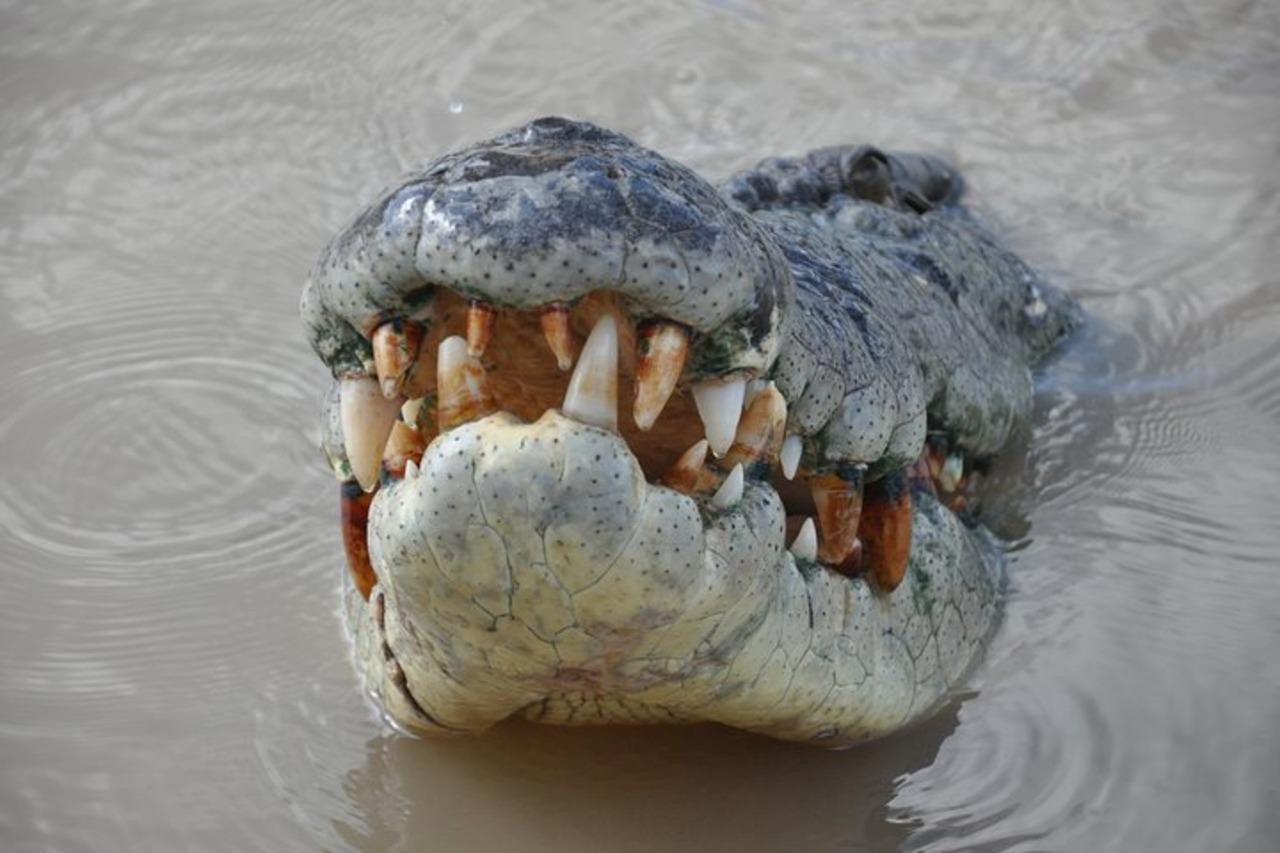
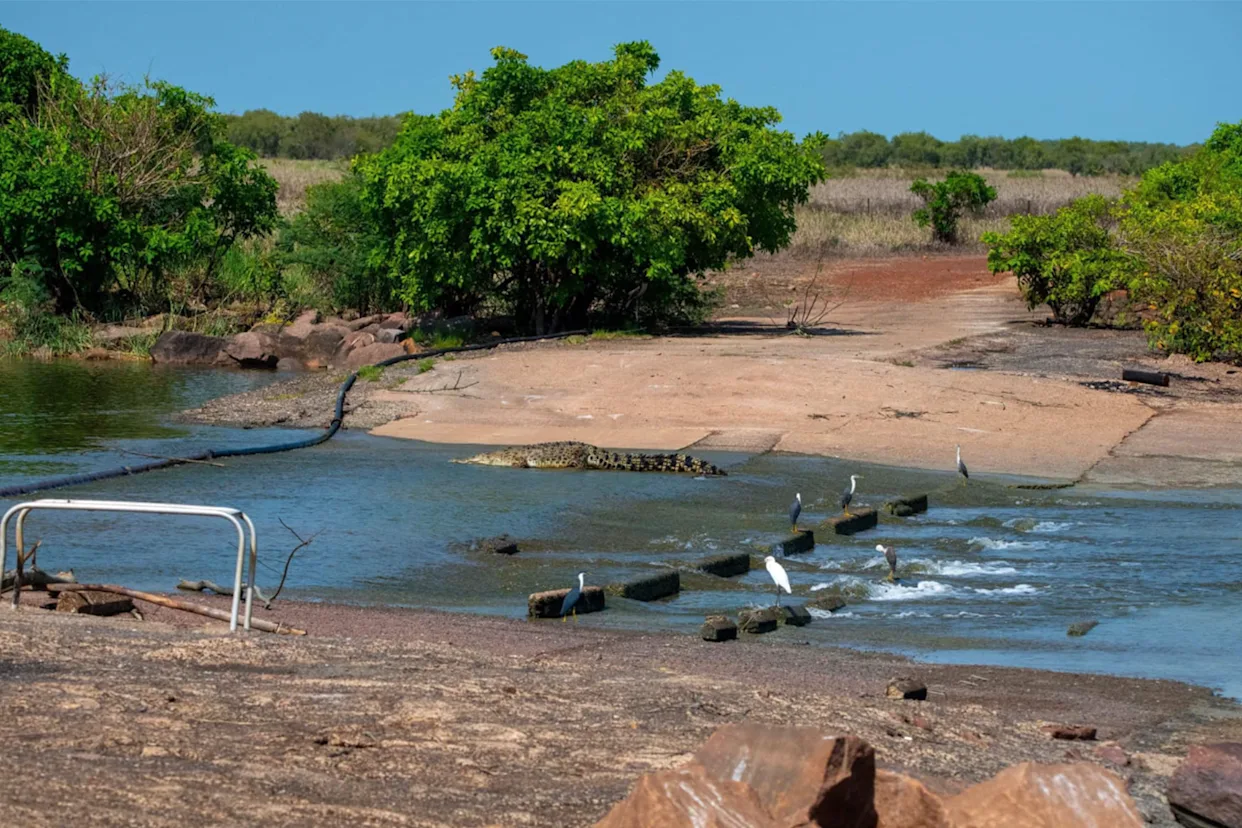
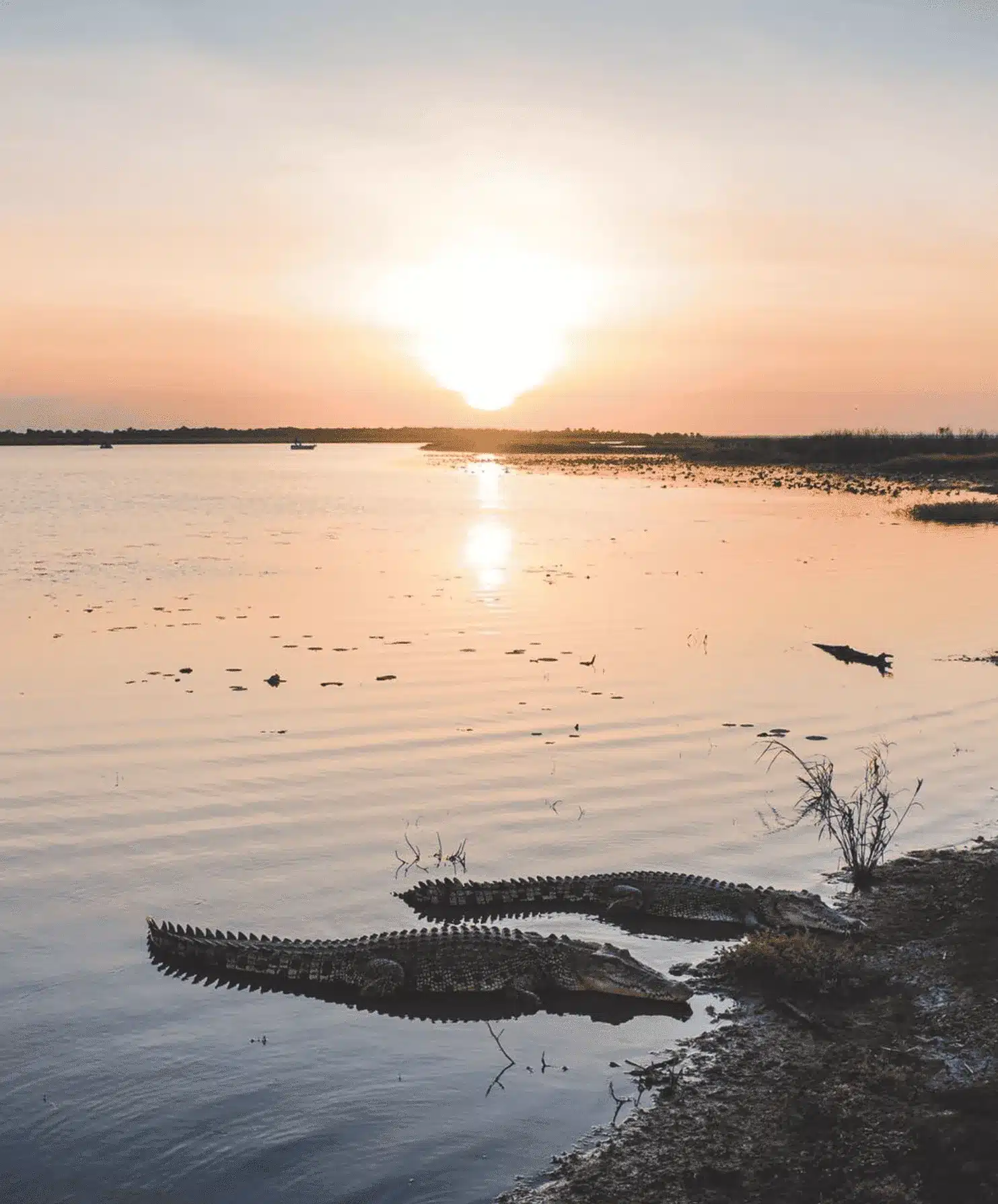
Focus your camera on the mudflats to capture saltwater crocodiles sunning themselves near the water edge. Ensure your safety by remaining on the vessel while framing the textures of the scales against the clay banks during your mary river wetlands cruise from darwin tour.
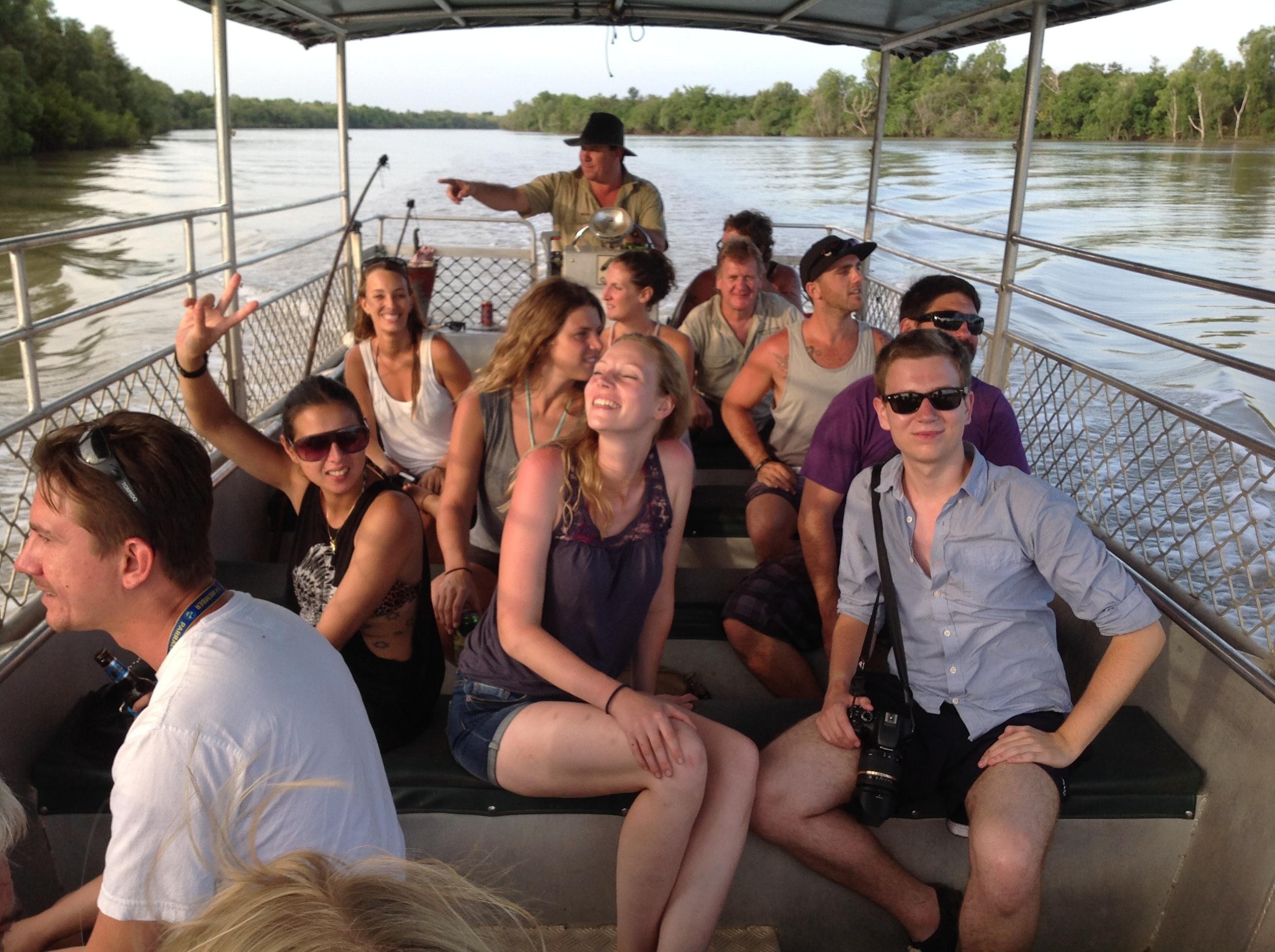
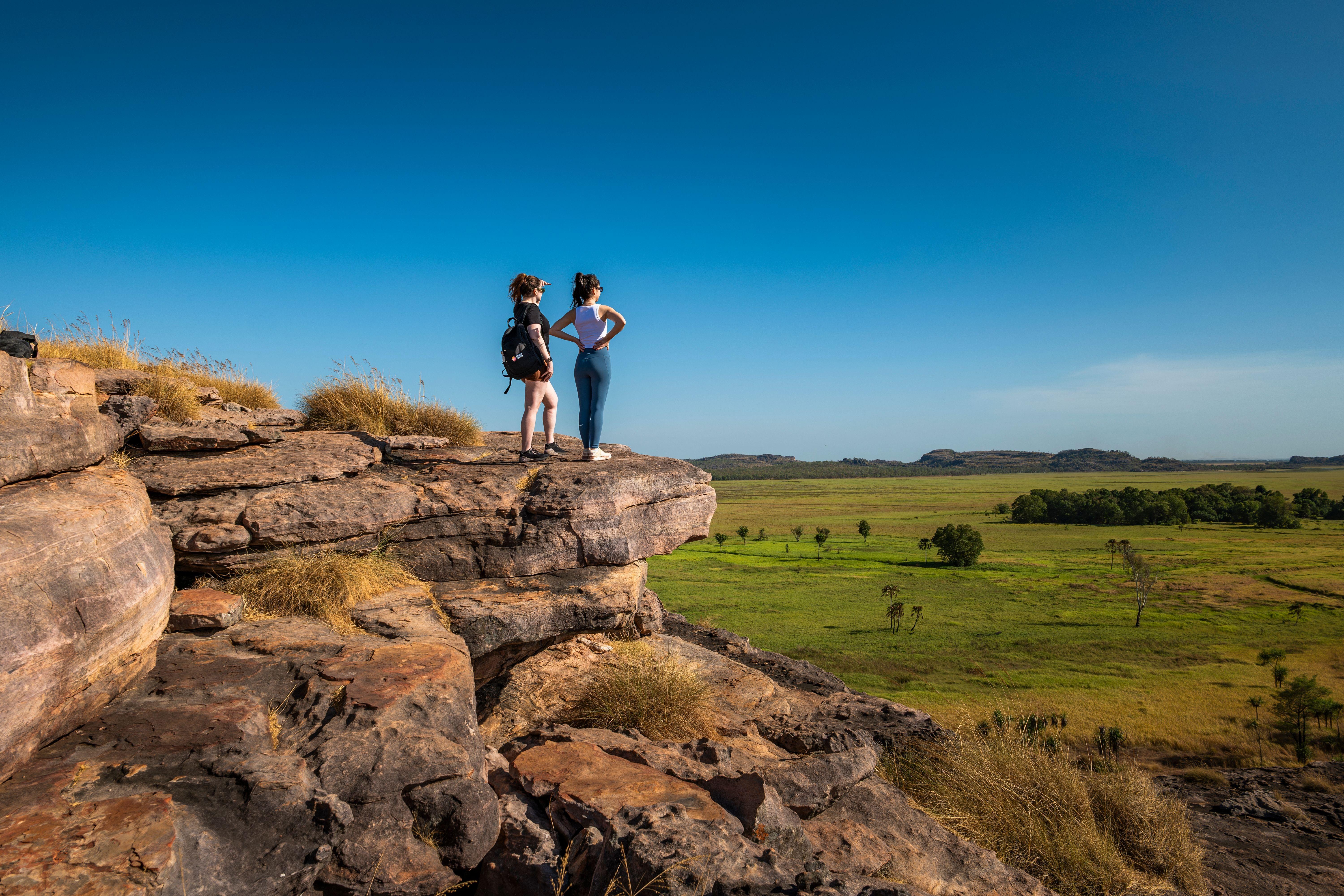
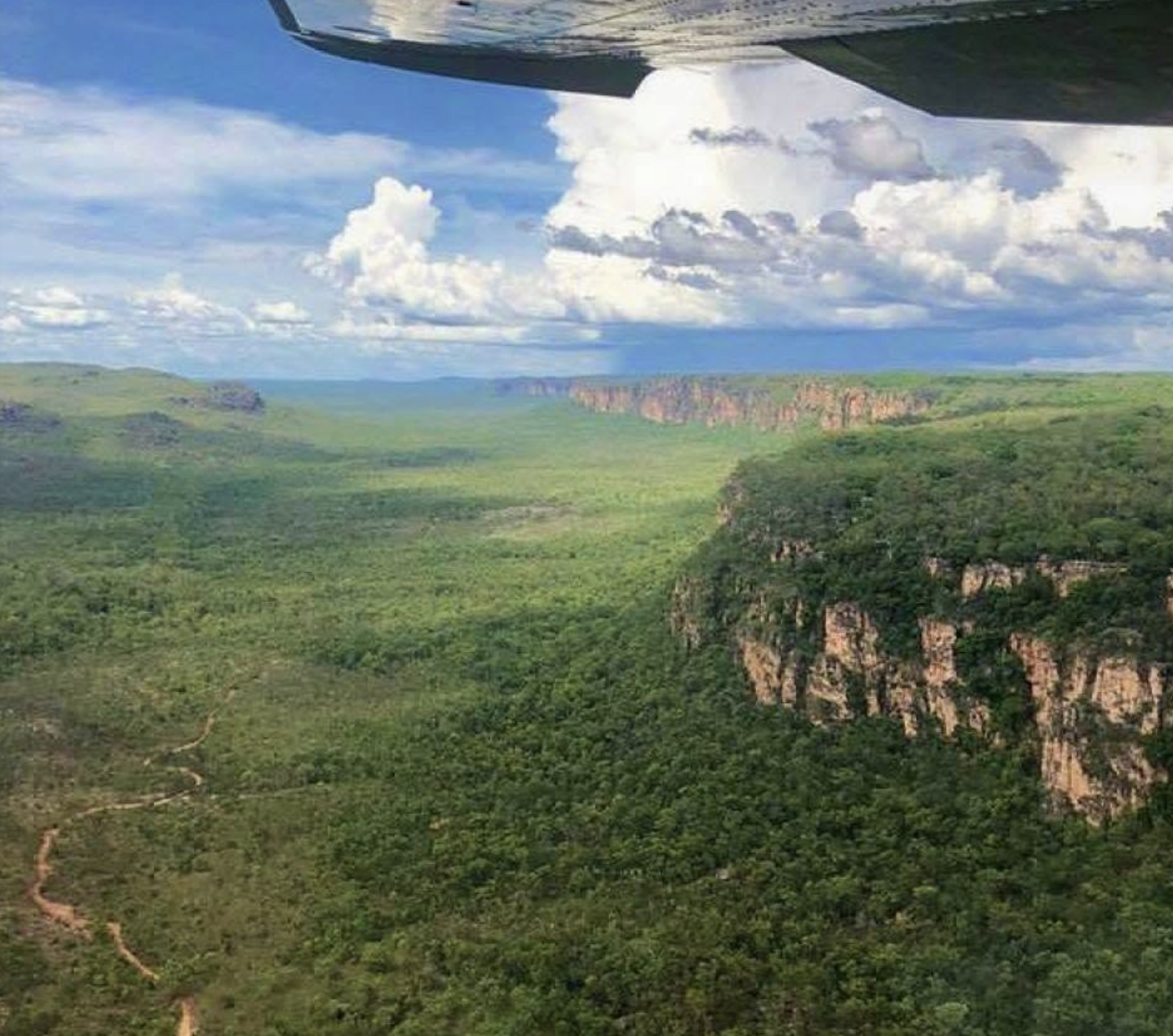
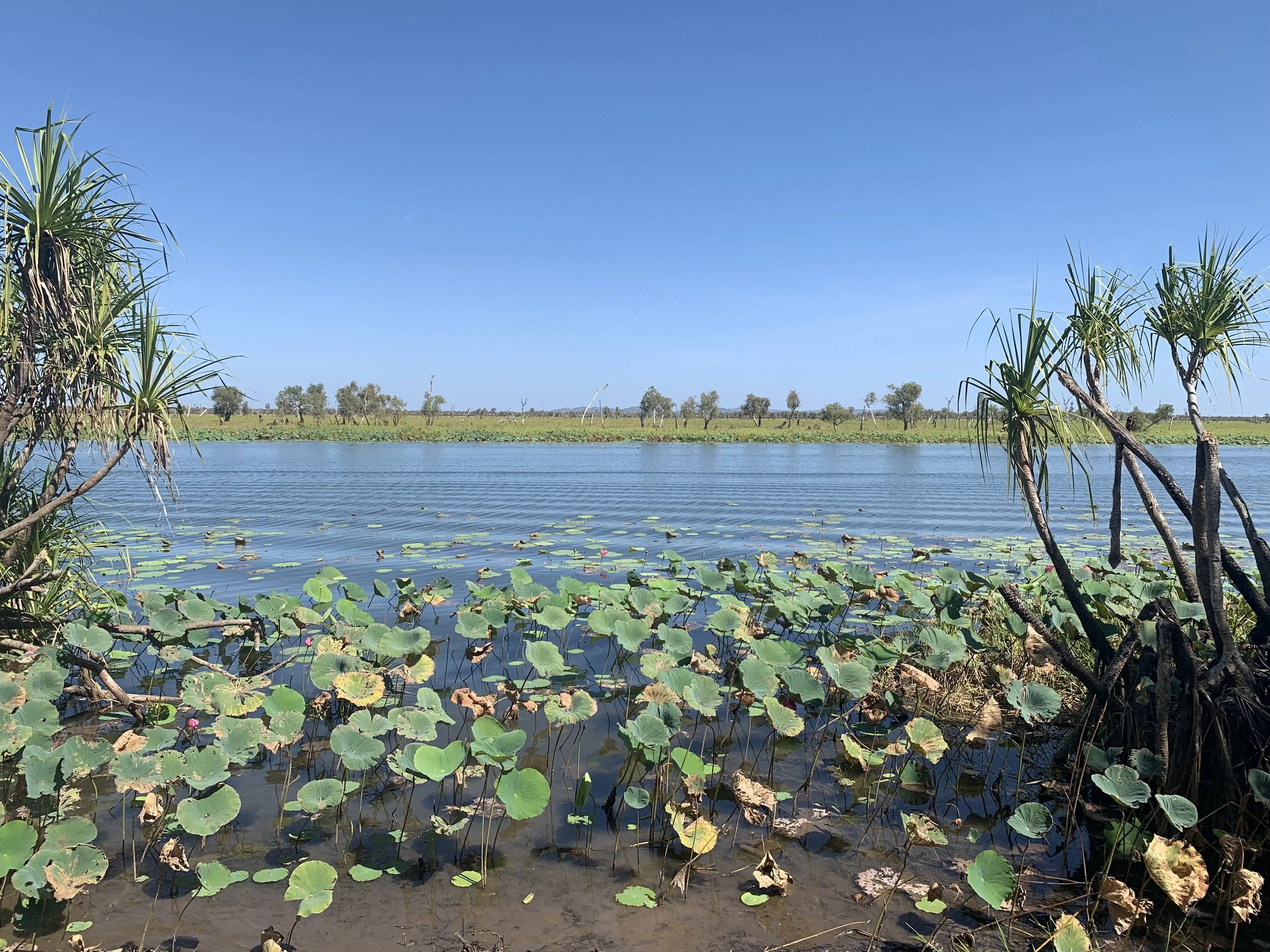
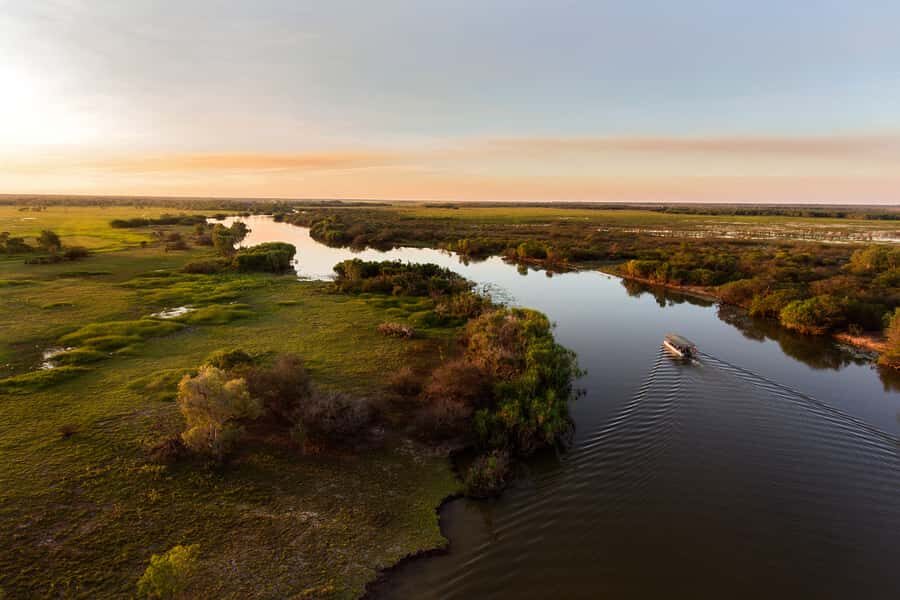
Capture the panoramic perspective of the expansive wetlands from the vessel deck as it navigates the open water. This viewpoint is ideal for landscape photography before you purchase your mary river wetlands cruise from darwin tickets.
Planning a mary river wetlands cruise from darwin offers families a direct encounter with Northern Territory wildlife in their natural habitat. Kids can observe crocodiles and exotic birdlife while navigating the serene waterways of this expansive ecosystem.
Most vessels are not equipped for strollers, so bring a front pack or carrier for infants. This ensures you can easily board your chosen mary river wetlands cruise from darwin tours safely.
The experience is best suited for school-aged children who can sit quietly for extended periods to watch for wildlife. Younger children may find the boat environment restrictive, so check specific mary river wetlands cruise from darwin tickets requirements for age policies.
There are limited baby-change facilities at the remote dock location, so come prepared with all necessary supplies. Plan your visit during the 07:00–10:00 window to enjoy the cooler morning air before facilities become busy.
Pack sufficient water and snacks for your group as on-site dining options are minimal near the Arnhem Highway departure point. Booking a mary river wetlands cruise from darwin tour often means you are responsible for your own supplies for the journey.
Dining options within the remote wilderness are limited, making it essential to plan your meals when booking a mary river wetlands cruise from darwin. Most visitors rely on the amenities located at the cruise departure points or carry their own provisions before arriving at the Arnhem Highway location.
Located near the wetlands, this venue offers hearty pub classics and cold refreshments. It serves as a convenient stop for those finishing their mary river wetlands cruise from darwin tours.
Everything you need to know for your journey
The wetlands are open 00:00–23:59, but cruise operators typically run morning and afternoon schedules.
Accessibility varies by vessel; please contact the operator before booking your mary river wetlands cruise from darwin.
Bring sun protection, insect repellent, a camera, and water for your mary river wetlands cruise from darwin.
Small day packs are allowed, but keep belongings minimal as space is limited on all mary river wetlands cruise from darwin tours.
Yes, children are welcome on a mary river wetlands cruise from darwin, provided they stay seated during the voyage.
You can book mary river wetlands cruise from darwin tickets via the official site or authorized tour operators.
Wear comfortable, breathable clothing and enclosed shoes for your mary river wetlands cruise from darwin.
Food is limited; check if your specific mary river wetlands cruise from darwin tour includes lunch, or bring your own snacks.
The best time for a mary river wetlands cruise from darwin is between 07:00–10:00 to avoid the midday heat.
Join thousands of happy travelers who have discovered this incredible experience
Book Your Experience Now