
Quick answer
Mary River Wetlands cruise tours depart daily between 06:45 and 18:00 from Corroboree Billabong, with multiple sailings scheduled throughout the day. Early morning and late afternoon departures offer the best wildlife activity and photography lighting. Tours operate year-round, though the dry season (May through October) provides clearer water and concentrated animal populations along permanent waterholes.
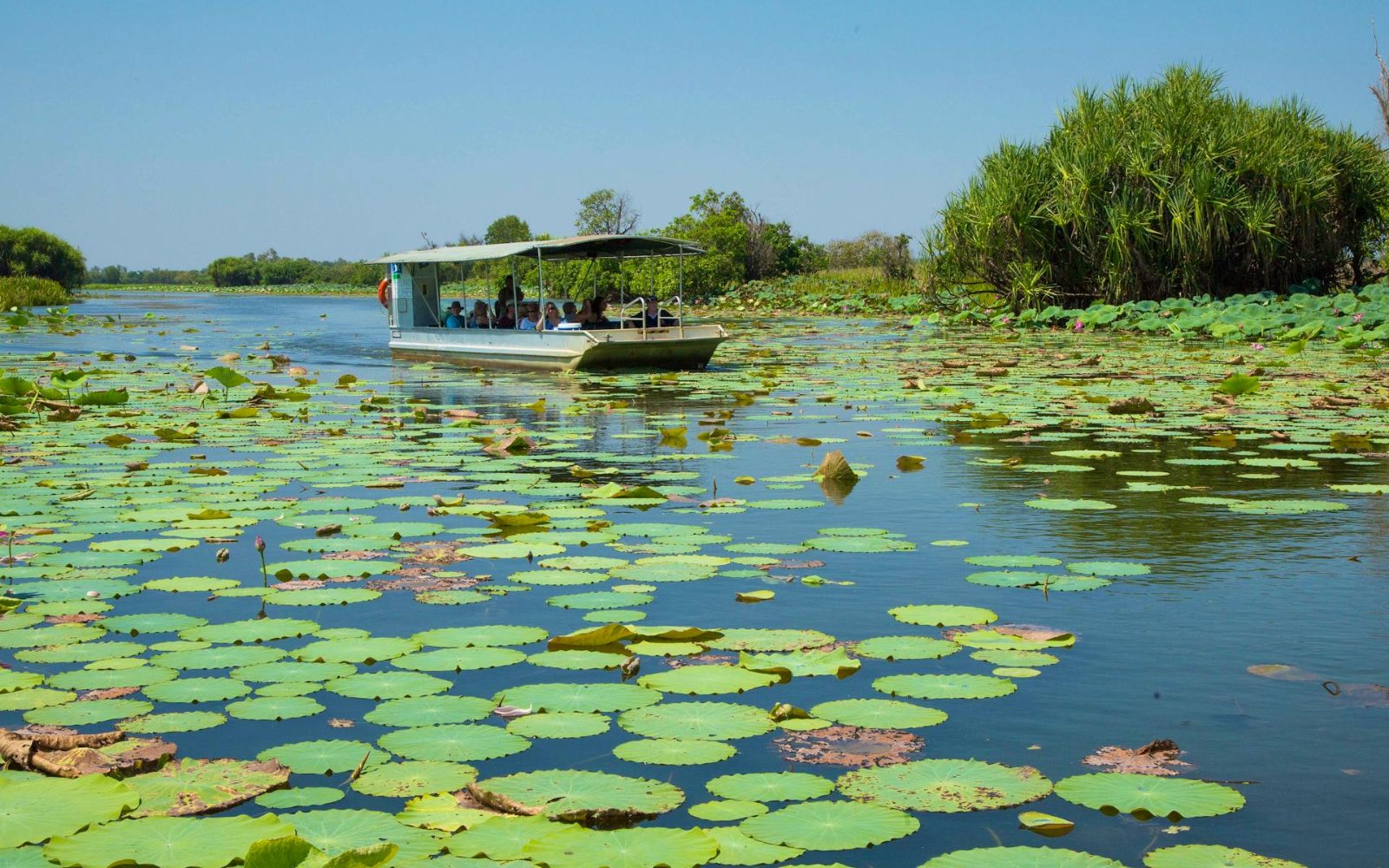
Corroboree Billabong stretches across 250 hectares of paperbark-fringed floodplain 90 minutes southeast of Darwin, sheltering more than 60 saltwater crocodiles per square kilometer during peak concentration months. The wetland system functions as a dry-season refuge where estuarine crocodiles, magpie geese, jabirus, and freshwater turtles converge around shrinking water sources, creating predictable viewing corridors that small-group vessels navigate twice daily. Mary River wetlands cruise tours run on flat-bottomed boats designed for shallow-draft navigation through lily-choked channels and open billabongs. Most operators limit capacity to 20 passengers, maintaining sightlines and minimizing engine noise that disturbs basking crocodiles. Guides trained in wildlife behavior position vessels within photographic range of nesting sites, feeding zones, and territorial boundaries marked by scarred trees and mudslide tracks. The northern section of Corroboree Billabong holds the densest crocodile population, while the southern arm favors birdlife—whistling ducks, white-bellied sea eagles, and pied herons cluster around paperbark stands where invertebrate hatches peak during low-water months. Seasonal water levels dictate access routes and animal distribution. Wet-season cruises (November through April) navigate expanded floodplains where crocodiles disperse across submerged grasslands, requiring longer search patterns but revealing juvenile crocs and nesting behavior. Dry-season sailings concentrate on permanent billabongs where large males compete for prime basking platforms and fish stocks draw hunting birds. Water clarity improves through July and August, when receding levels expose mudflats and submerged logs become crocodile highways. The wetlands remain accessible throughout the year via sealed road from the Stuart Highway, with cruise operators based at the Corroboree Billabong access point off Marrakai. Entry to the wetland reserve itself carries no fee, though guided boat tours operate as a separate paid service with advance booking recommended during school holiday periods and the May-to-September peak visitation window.
“The northern section of Corroboree Billabong holds the densest crocodile population, while the southern arm favors birdlife—whistling ducks, white-bellied sea eagles, and pied herons.”
Optimal Timing for Mary River Wetlands Cruise Tours
The best arrival window is 06:45–16:30, as early morning and late afternoon hours provide the most consistent wildlife activity and light quality for photography. Visiting during these periods minimizes harsh mid-day shadows and aligns with the natural movement patterns of wetland animals.
Dry Season (May–Sept)
Moderate to high trafficWarm days, cool nights (20°C–32°C)
Wet Season (Oct–April)
Lower visitor numbersHot and humid (25°C–34°C)
Early Morning
Low to moderate—
Late Afternoon
Moderate—
Verdict: The optimal experience occurs during the dry season months of May through September, prioritizing arrival between 06:45 and 08:30 to observe wildlife at peak activity.
Operating Hours for Mary River Wetlands Cruise Tours
Mary River Wetlands cruise tours operate daily throughout the week to accommodate visitor schedules. The facility maintains consistent hours of operation for all seven days.
| Monday | 06:45–18:00 | |
|---|---|---|
| Tuesday | 06:45–18:00 | |
| Wednesday | 06:45–18:00 | |
| Thursday | 06:45–18:00 | |
| Friday | 06:45–18:00 | |
| Saturday | 06:45–18:00 | |
| Sunday | 06:45–18:00 |
Understanding Fees for Mary River Wetlands Cruise Tours
Access to the Mary River Wetlands area is free for all visitors. Please note that cruise tours are operated as separate services and require individual paid bookings.
While wetland entry is free, visitors should consult the official website to confirm current cruise tour pricing based on selected cruise duration.
Directions and Logistics for Mary River Wetlands Cruise Tours
The Mary River Wetlands are situated at Corroboree Billabong, approximately 115 kilometers east of Darwin. The most direct approach is by private vehicle via the Arnhem Highway.
Arnhem Highway to Corroboree Billabong Road
Private transfer via Arnhem Highway
What to Experience on Mary River Wetlands Cruise Tours
The Mary River Wetlands ecosystem supports a dense concentration of tropical wildlife within its complex river channels and billabongs. Cruise tours provide passage through these diverse habitats, allowing for observation of fauna in their natural environment.
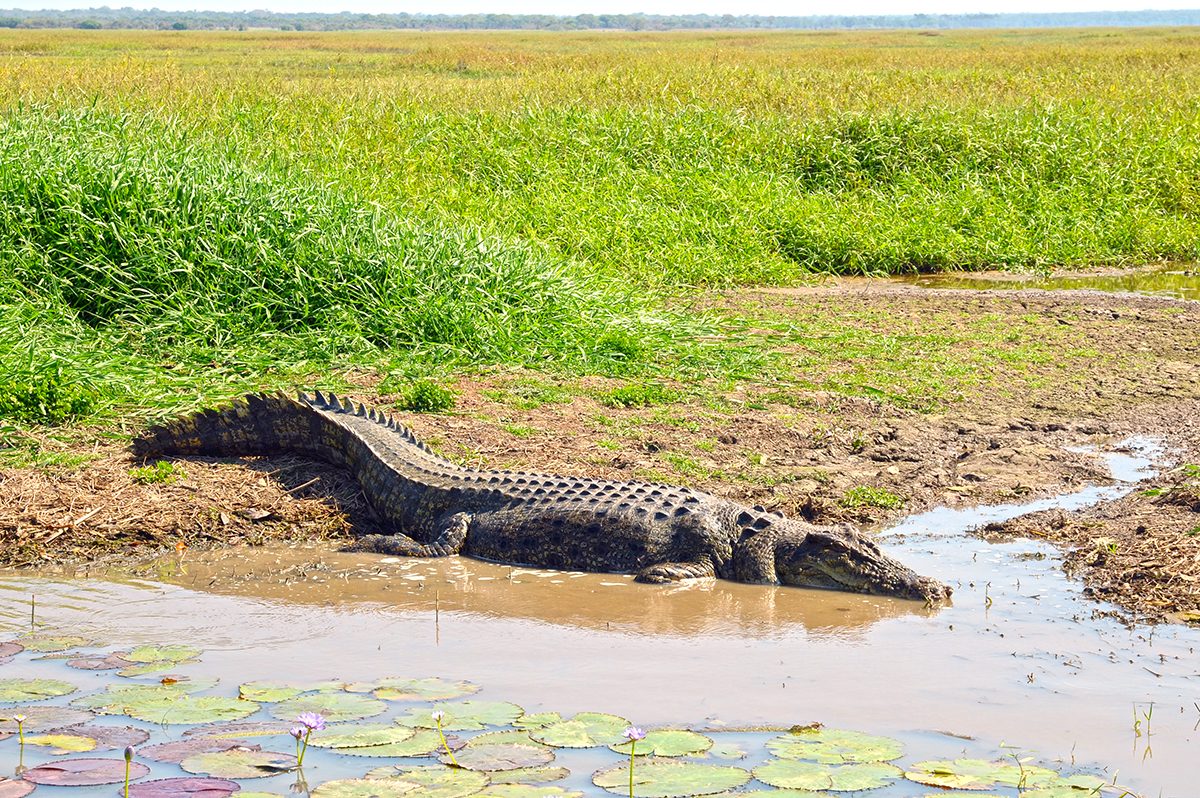
Corroboree Billabong
This primary waterway serves as a critical habitat for high densities of saltwater crocodiles and diverse birdlife. The deep channels remain navigable throughout the year, supporting aquatic life during both wet and dry cycles.
Watch the muddy banks for crocodiles basking in the sun.
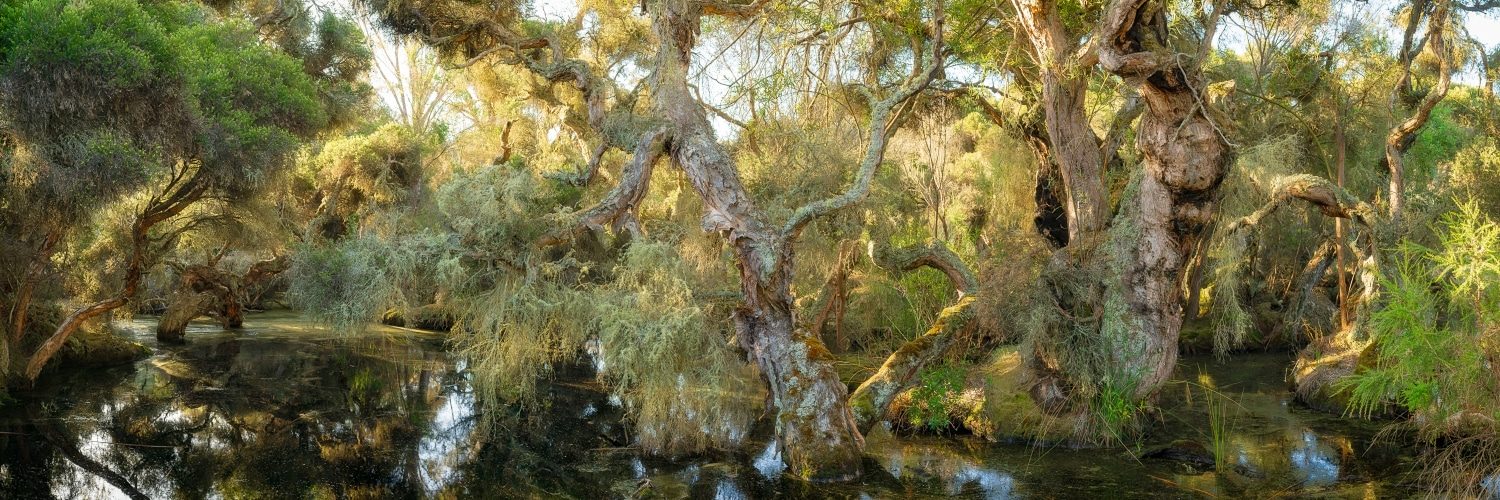
Paperbark Forests
Dense stands of melaleuca trees line the water's edge, creating unique shaded corridors for nesting birds. These trees adapt to the seasonal flooding characteristic of the Northern Territory wetlands.
Look upward into the canopy to spot roosting birds.
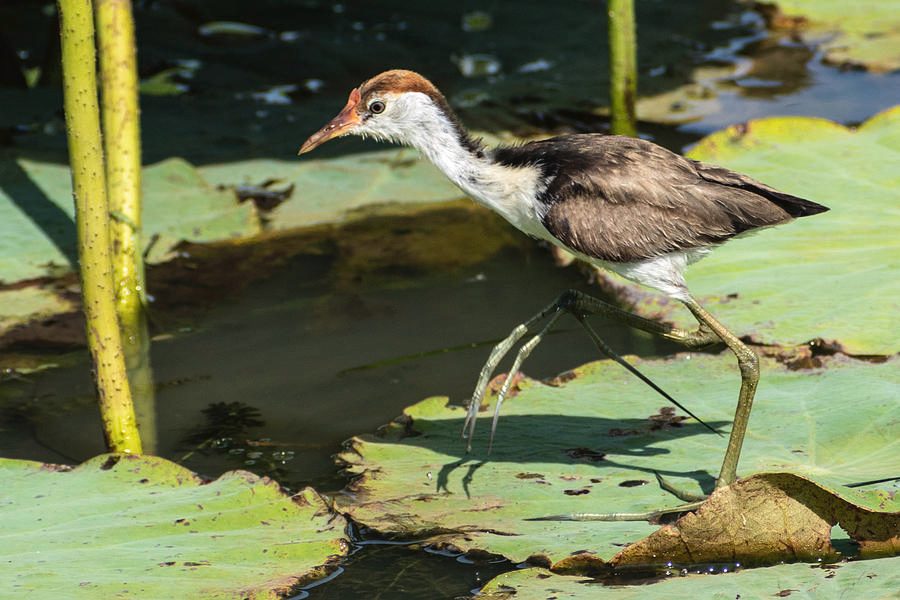
Comb-crested Jacana Habitat
The extensive lily pads covering the water surface provide the ideal platform for the comb-crested jacana. These birds are frequently observed walking across vegetation to forage for insects.
Scan the floating lily pads for birds moving across them.
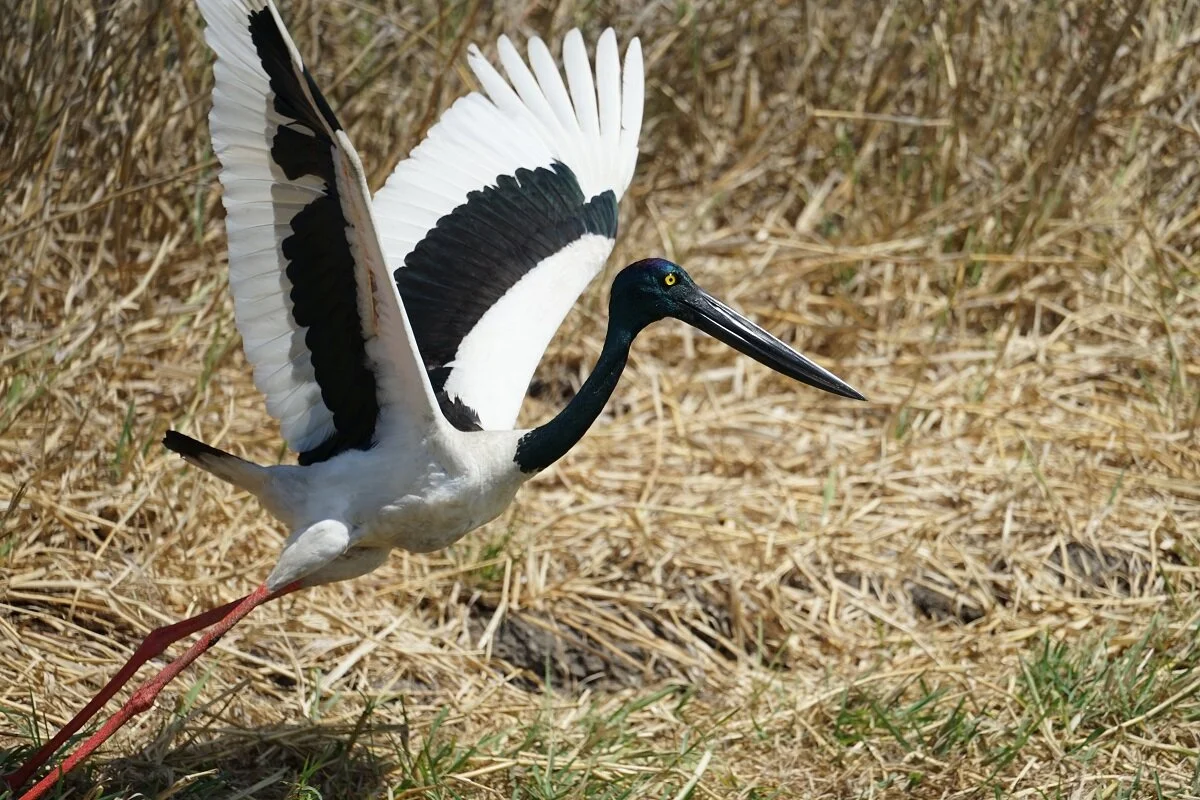
Birdlife Populations
The wetlands host diverse species including jabiru, brolga, and sea eagles throughout the year. Observers can identify various waders and raptors as they forage near the shoreline.
Use binoculars to track movement in the tall grasses.
Essential Checklist for Mary River Wetlands Cruise Tours
Prepare these items before your wetlands cruise to make the most of your visit.
-
Book your cruise in advance — Tours fill quickly during peak season, especially morning departures.
-
Bring sun protection and a hat — The Northern Territory sun is intense, with minimal shade on open-water sections.
-
Pack a camera with a zoom lens — Crocodiles and birds are best photographed from a distance; 200mm or longer recommended.
-
Wear closed-toe shoes — Boat decks can be wet and slippery during boarding and disembarkment.
-
Apply insect repellent before departure — Mosquitoes and midges are active near wetland areas, particularly at dawn and dusk.
-
Carry drinking water — Temperatures regularly exceed 30°C; stay hydrated throughout the tour.
Check availability
Frequently asked questions about mary river wetlands cruise
Everything you need to know about mary river wetlands cruise tours