
Quick answer
Mary River National Park cruise tours operate year-round through independent boat operators based near the Arnhem Highway, with most departures lasting 90 minutes to three hours. The park itself requires a 10 AUD NT Parks Visitor Pass for entry. Dry season months from May through October offer the highest wildlife density as receding water concentrates crocodiles, birds, and fish in permanent billabongs and main river channels.
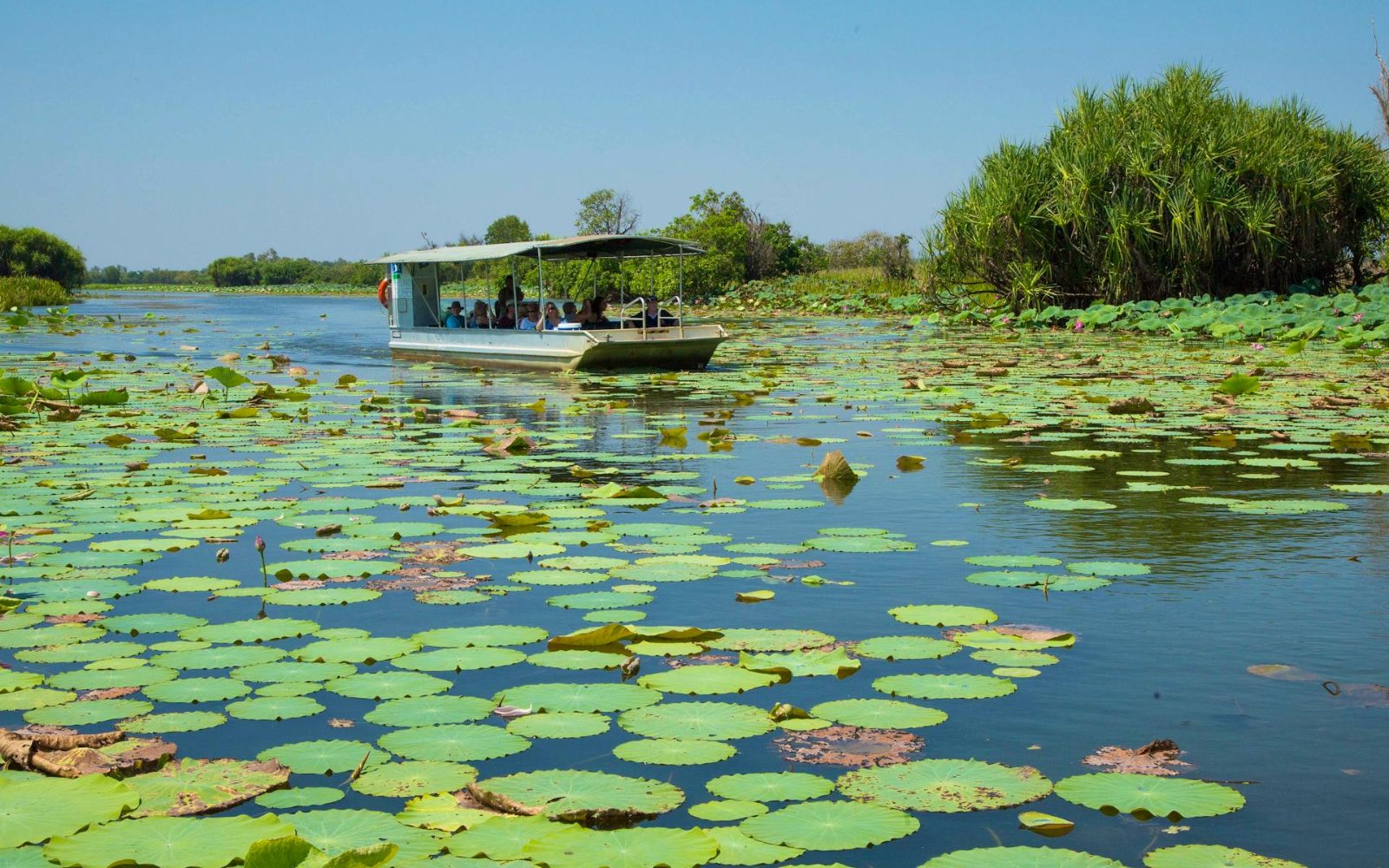
The Mary River system drains 8,000 square kilometers of floodplain, creating a wetland ecosystem that shifts dramatically between wet and dry seasons. During the monsoon, water spreads across grasslands and paperback forests, dispersing wildlife over vast areas. As the dry months progress, ephemeral channels disappear, forcing saltwater crocodiles and freshwater species into shrinking waterholes where sightings become predictable. Several independent operators run mary river national park cruise departures from launch sites along the Arnhem Highway corridor, primarily near the Shady Camp and Corroboree Billabong access points. Trip durations vary by route, with shorter excursions focusing on specific billabongs and longer journeys covering multiple habitat zones. Operators use flat-bottomed vessels designed for shallow water navigation, allowing access to narrow channels where crocodiles bask on mudbanks and egrets forage in reed beds. The Northern Territory wet season, roughly November through April, transforms the landscape into an interconnected water system. River levels rise several meters, submerging boat ramps and access tracks. Many cruise operators reduce or suspend service during peak wet months due to navigation hazards and dispersed wildlife. Jabiru storks and brolgas concentrate near the river during breeding season, while barramundi move into flooded grasslands to spawn. The park entrance requires a valid NT Parks Visitor Pass, purchased online or at ranger stations. The pass covers vehicle entry and park access but does not include cruise fees, which vary by operator and trip length. Most boat tours depart early morning when temperatures remain below 30°C and wildlife activity peaks. Afternoon heat drives crocodiles into deeper water and reduces bird movement, making dawn and mid-morning the optimal departure windows for a mary river wetlands boat experience. Crocodile density along certain stretches exceeds two individuals per kilometer during dry season low water. Guides navigate to known territorial sites where large males occupy prime basking zones. The river supports both saltwater and freshwater crocodile populations, with "salties" dominating tidal reaches and "freshies" inhabiting upstream sections. Magpie geese flocks numbering in the thousands descend on wetland margins during the build-up period before the wet season, creating mass foraging events visible from boat decks.
“During dry season low water, crocodile density along certain stretches exceeds two individuals per kilometer.”
Optimal Timing for a Mary River National Park Cruise
The best arrival window for a Mary River National Park cruise is 06:00–10:00, which offers cooler temperatures and optimal lighting for wildlife spotting. Planning your visit requires balancing these daily conditions with the seasonal changes in water levels across the wetlands.
Dry Season (May–Oct)
ModerateWarm and dry (20°C–32°C)
Water levels recede, concentrating wildlife at remaining waterholes for higher visibility.
Wet Season (Nov–Apr)
LowHot and humid (25°C–34°C)
Rising water levels may limit access to certain areas; cruises are subject to seasonal flood conditions.
Weekday mornings
Low—
An early start during the week provides a quieter experience on the water and better opportunities for bird and crocodile observation.
Verdict: The optimal time to visit is during the early dry season months of May or June, arriving between 06:00–10:00 to avoid midday heat.
Mary River National Park Cruise Access Hours
Mary River National Park is accessible to visitors daily, 24 hours a day. Please note that these park hours are distinct from the specific schedules operated by individual cruise providers.
| Monday | 00:00–23:59 | |
|---|---|---|
| Tuesday | 00:00–23:59 | |
| Wednesday | 00:00–23:59 | |
| Thursday | 00:00–23:59 | |
| Friday | 00:00–23:59 | |
| Saturday | 00:00–23:59 | |
| Sunday | 00:00–23:59 |
Navigating to Your Mary River National Park Cruise
Mary River National Park is located along the Arnhem Highway, approximately 110 kilometers east of Darwin. The most reliable method of travel is by private vehicle, as public transport options to the wetlands are not available.
Arnhem Highway from Darwin
Arnhem Highway from Jabiru
Wildlife and Landscapes Seen on a Mary River National Park Cruise
The Mary River Wetlands contain diverse ecosystems that support a high density of tropical wildlife. Cruises navigate these waterways to provide access to both aquatic and terrestrial species within their natural habitat.
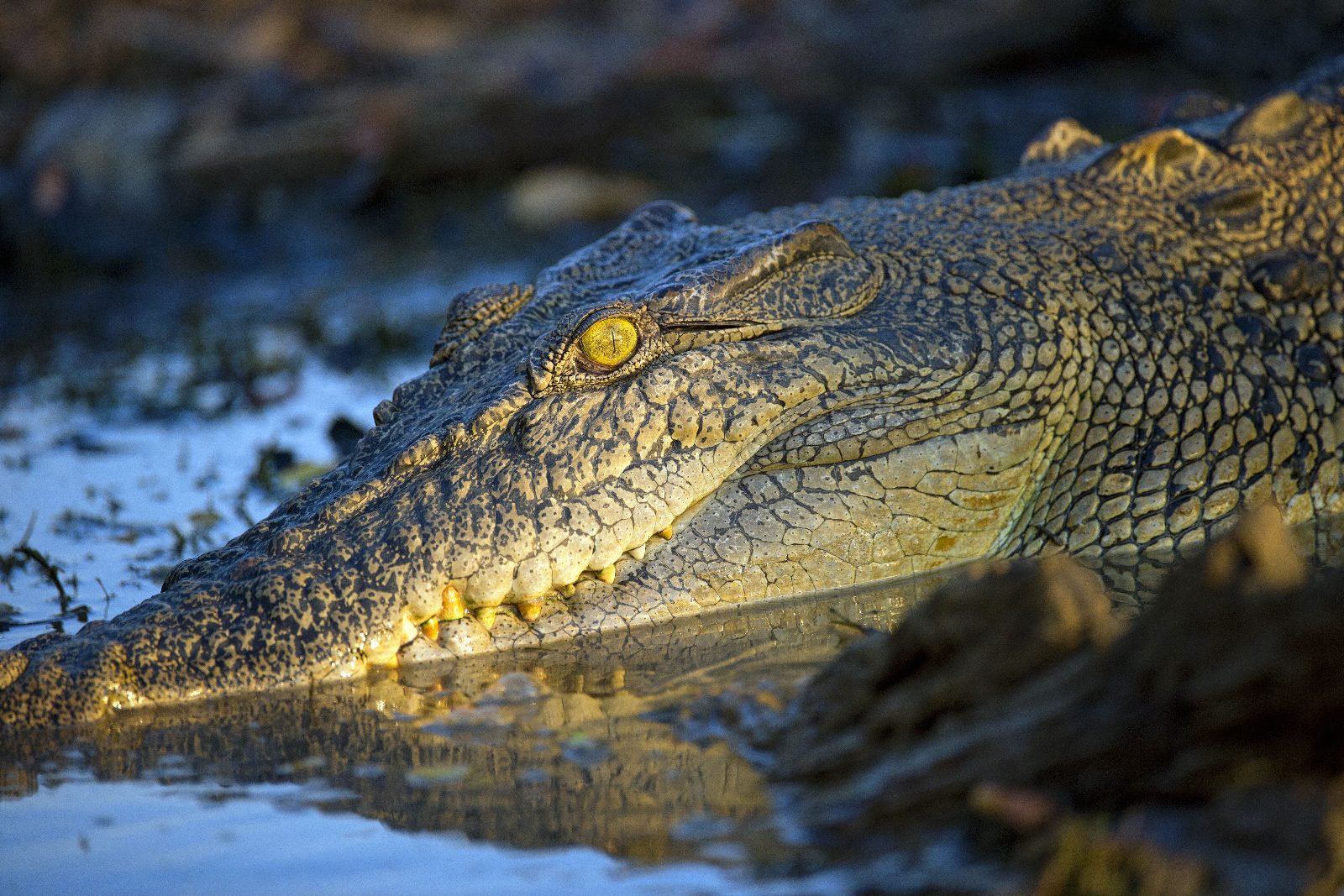
Saltwater Crocodiles
These apex predators are frequently sighted basking on muddy banks or gliding through the river channels. Experienced guides often locate them in areas where water depth fluctuates.
Look for eyes breaking the water surface near submerged vegetation.
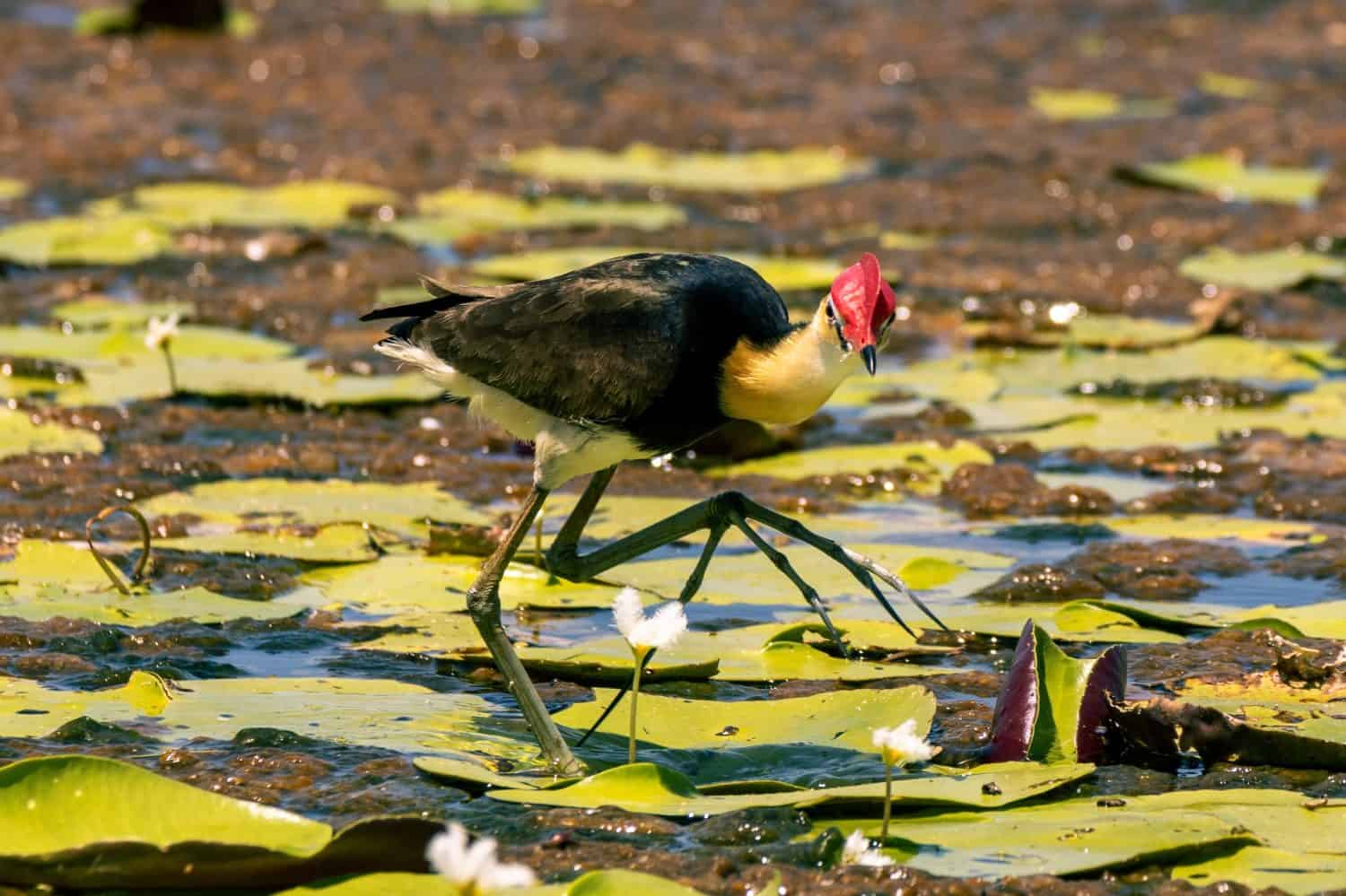
Comb-crested Jacanas
Known as lotus birds, these birds are commonly observed walking across lily pads in the shallow wetlands. They utilize their long toes to distribute their weight on floating flora.
Use binoculars to spot them walking on floating lily pads.
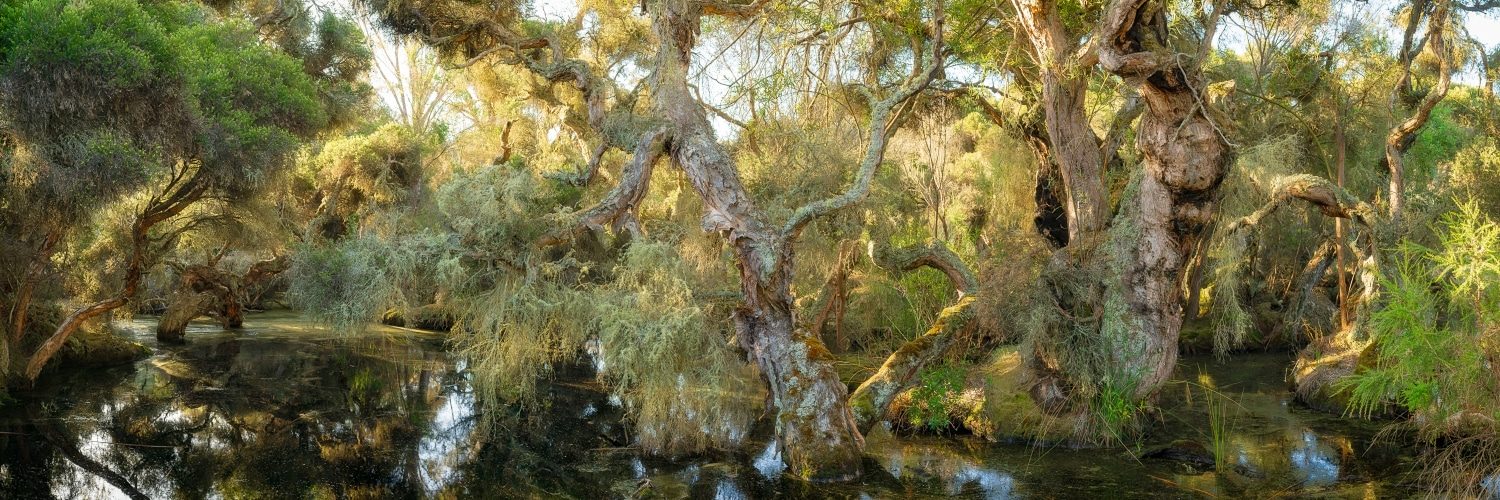
Paperbark Forests
The edges of the Mary River are lined with dense stands of paperbark trees, which provide shade and nesting sites for various bird species. These forests reflect clearly in the calm, dark waters during the early morning hours.
View the forest reflections when the water is still.
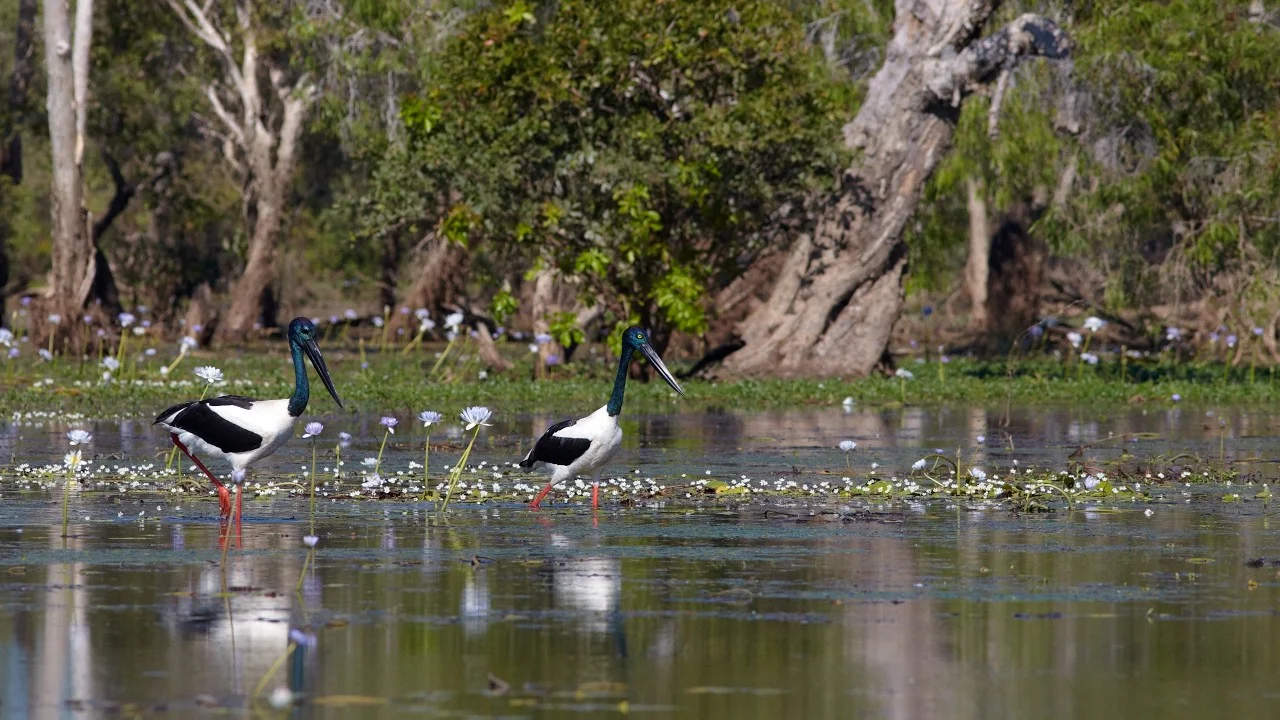
Birdlife Diversity
The wetlands host numerous species including jabirus, egrets, and sea eagles. The region serves as a significant stopover and breeding ground for migratory birds.
Scan the tree canopy and reed beds for movement.
Preparation Checklist for a Mary River National Park Cruise
Pack the right gear to stay comfortable and protected during your wetlands cruise.
-
Bring broad-spectrum SPF 50+ sunscreen — UV reflection off the water intensifies sun exposure.
-
Wear a wide-brimmed hat and sunglasses — Direct and reflected sunlight can cause rapid sunburn and glare.
-
Pack at least 2 litres of water per person — High humidity and heat increase dehydration risk on the water.
-
Wear lightweight, long-sleeved clothing in light colours — Covers skin while staying cool and reduces insect contact.
-
Apply insect repellent with DEET or picaridin — Wetlands host mosquitoes and midges, particularly at dawn and dusk.
-
Bring binoculars for wildlife observation — Crocodiles and birds are easier to spot from a distance with magnification.
-
Wear closed-toe water-resistant shoes — Boat decks can be wet and slippery throughout the cruise.
Check availability
Frequently Asked Questions About Mary River National Park Cruise
Everything you need to know about mary river national park cruise