
Quick answer
Mary River billabong cruise operations run daily from 06:45 to 18:00, with the optimal arrival window between 06:45 and 10:00 for peak wildlife activity and cooler temperatures. Entry to the wetlands area itself is free; cruise tickets are purchased separately through the operator. The dry season from May through October offers the most reliable wildlife sightings as animals concentrate around permanent water sources.
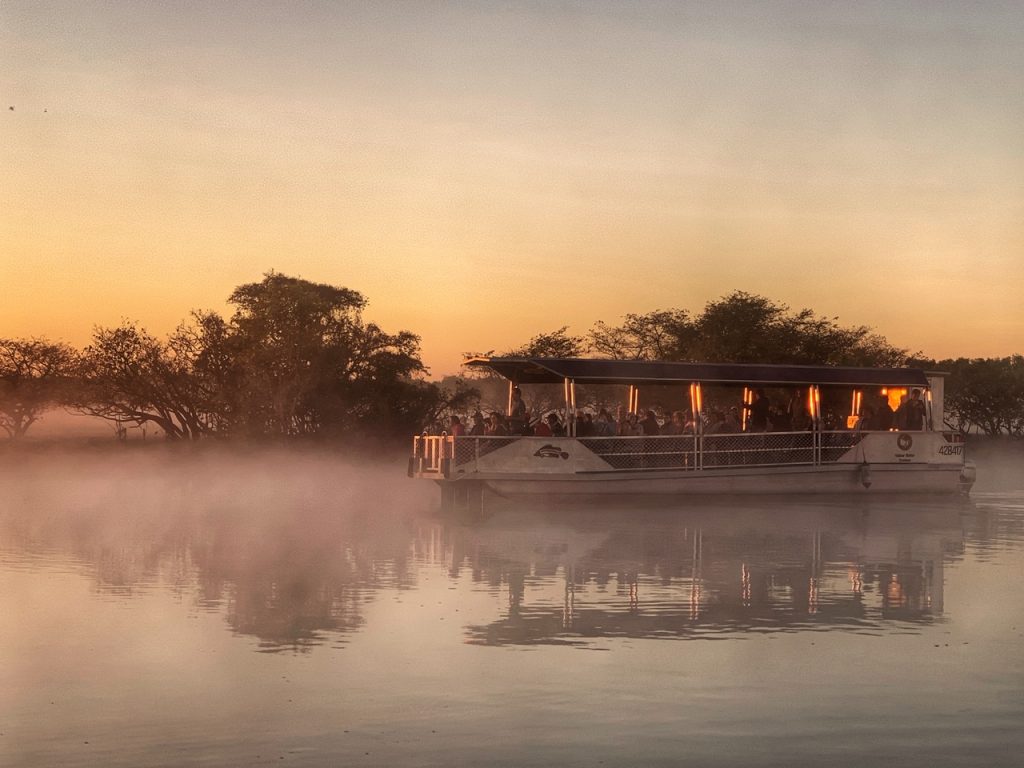
More than 280 bird species inhabit the Mary River floodplain, making it one of the most biodiverse wetland systems in the Southern Hemisphere. The billabong cruises operate from a network of permanent waterholes along Corroboree Billabong Road, where visitors board flat-bottom boats designed for shallow-draft navigation through paperbark forests and lily-covered channels. Saltwater crocodiles dominate the wetland food chain here, with some individuals exceeding five meters in length. Morning departures coincide with peak reptile activity as crocodiles bask on mudflats to regulate body temperature before the midday heat. Jabiru storks, magpie geese, and whistling ducks congregate in the shallows during the dry months when water levels drop and fish become concentrated prey. The wet season transforms the landscape into a vast floodplain, dispersing wildlife across a much broader area and reducing encounter frequency. Cruise durations typically range from one to three hours depending on the route selected. Shorter trips focus on the main billabong channel and guaranteed crocodile sightings, while extended routes venture into tributary arms where water pythons drape across overhanging branches and sea eagles hunt from exposed snags. Operators provide commentary on wetland ecology, indigenous land management practices, and the seasonal cycles that govern animal behavior throughout the year. The wetlands sit roughly 60 kilometers southeast of Darwin along the Arnhem Highway, positioned between Kakadu National Park and the coastal floodplains. Road access remains reliable year-round, though wet season flooding occasionally closes minor access roads for brief periods. Most visitors combine a Mary River wetlands cruise with same-day visits to nearby Fogg Dam or Window on the Wetlands lookout to maximize their exposure to Top End ecosystems within a single itinerary. Photography conditions favor the early morning golden hour when sidelight renders texture across the water and crocodile scales catch definition. Afternoon light flattens contrast and introduces harsh shadows, though late sessions offer dramatic silhouettes as the sun drops behind paperbarks. Telephoto lenses in the 200-400mm range capture wildlife detail without disturbing natural behavior, while wide-angle lenses frame the sweeping wetland vistas that define the Mary River landscape.
“The Mary River system supports one of the highest concentrations of saltwater crocodiles anywhere on the planet.”
The Optimal Mary River Billabong Cruise Timing
The best arrival window is 06:45–10:00, as this period offers peak wildlife activity and cooler temperatures before the midday heat. Planning your visit within this timeframe ensures the most comfortable experience while observing the wetlands at their most active.
Dry Season (May–September)
Moderate to highCooler, 20°C–32°C; low humidity. This period offers reliable access and consistent wildlife sightings across the billabongs.
Wet Season (October–April)
LowerHot, 25°C–35°C; high humidity. Rainfall increases water levels, changing the landscape and bird migration patterns significantly.
Early Morning
Low to moderateCooler temperatures; ideal for wildlife. Wildlife remains most active during these hours before midday temperatures rise.
Verdict: The optimal experience occurs during the Dry Season, arriving between 06:45 and 10:00 to maximize wildlife viewing in cooler conditions.
Mary River Billabong Cruise Weekly Operating Hours
The Mary River Billabong cruise operation maintains consistent daily accessibility throughout the week. Visitors are welcome to access the wetlands area according to the following schedule.
| Monday | 06:45–18:00 | |
|---|---|---|
| Tuesday | 06:45–18:00 | |
| Wednesday | 06:45–18:00 | |
| Thursday | 06:45–18:00 | |
| Friday | 06:45–18:00 | |
| Saturday | 06:45–18:00 | |
| Sunday | 06:45–18:00 |
Understanding Mary River Billabong Cruise Fees
Access to the Mary River Wetlands area is free for all visitors. Cruise tickets are managed separately through official booking channels.
There is no cost to enter the wetlands, while total trip expenses depend on the specific cruise selection made through the official site.
Getting to Your Mary River Billabong Cruise
The Mary River Wetlands are located along Corroboree Billabong Road, approximately 110 kilometers east of Darwin. Access is via private vehicle or pre-arranged transfer as there is no public transport to this remote area.
Arnhem Highway (A36) then turn onto Corroboree Billabong Road
Darwin to Corroboree Billabong Road
Essential Prep for a Mary River Billabong Cruise
A short checklist covers bookings, sun protection, and gear for wildlife observation on the water.
-
Book your cruise in advance — Operators require reservations and spots fill quickly during peak season.
-
Bring confirmation email or booking reference — You'll need proof of purchase when checking in at the departure point.
-
Pack broad-spectrum SPF 50+ sunscreen — Reflection off the water intensifies UV exposure during the cruise.
-
Wear a wide-brimmed hat and sunglasses — Direct sun and glare are constant on open-top vessels.
-
Apply tropical-strength insect repellent — Mosquitoes and midges are active near wetland margins year-round.
-
Carry binoculars for wildlife spotting — Crocodiles and waterbirds are easier to observe from a distance.
-
Bring a refillable water bottle — Staying hydrated is essential in the Northern Territory heat.
Check availability
Frequently Asked Questions About Mary River Billabong Cruises
Everything you need to know about mary river billabong cruise